 Expedition PH Natural History
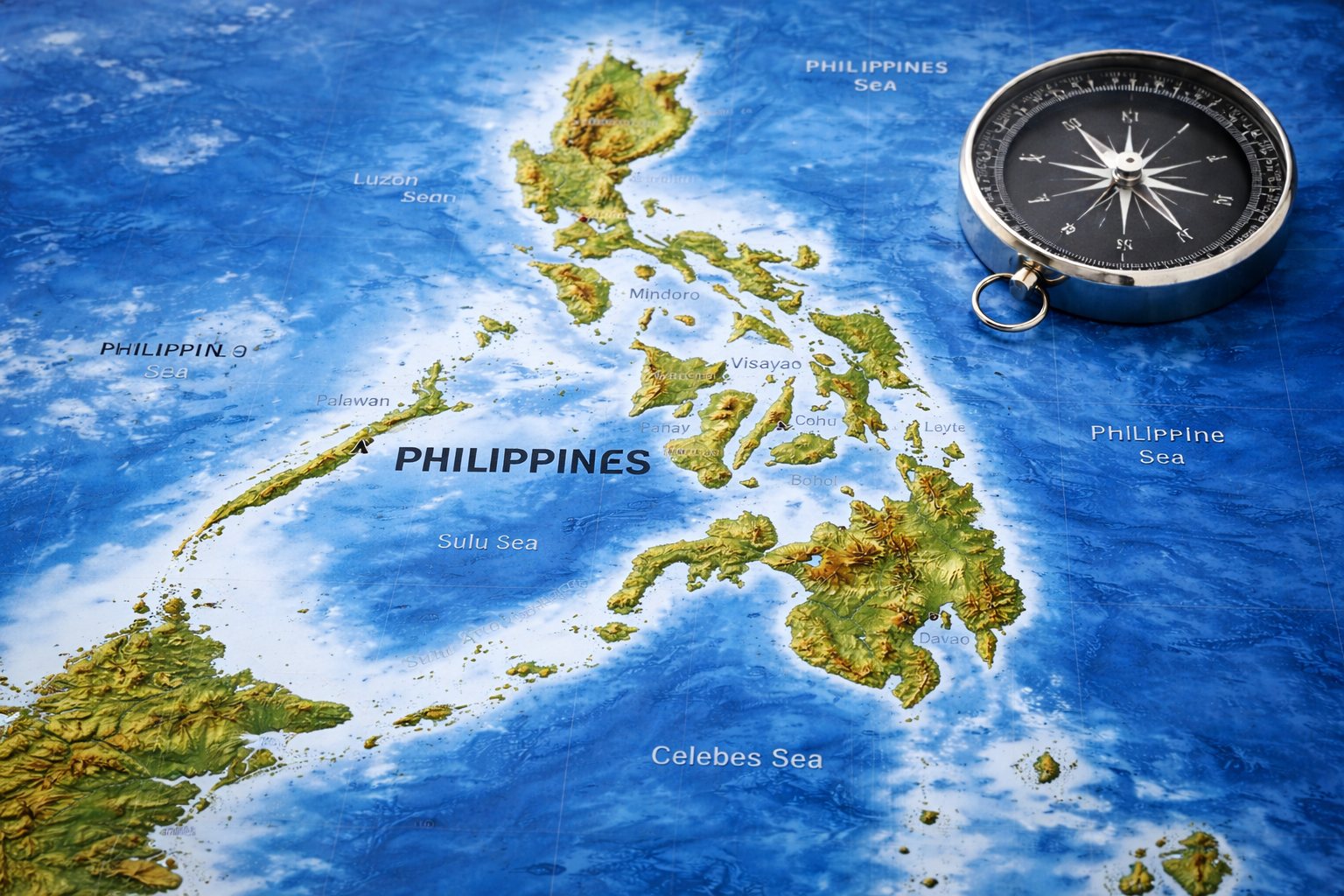
About This Project
A personal project dedicated to documenting and celebrating the extraordinary biodiversity of the Philippine archipelago.
Why This Exists
The Philippines is one of the most biodiverse places on Earth — and one of the least known outside its borders. This site is a personal effort to document, share, and celebrate the natural heritage of the archipelago: its species, its landscapes, its geological history, and the conservation challenges it faces.
All content here is compiled from published scientific literature, field observations, and a deep personal passion for Filipino wildlife and wild places.
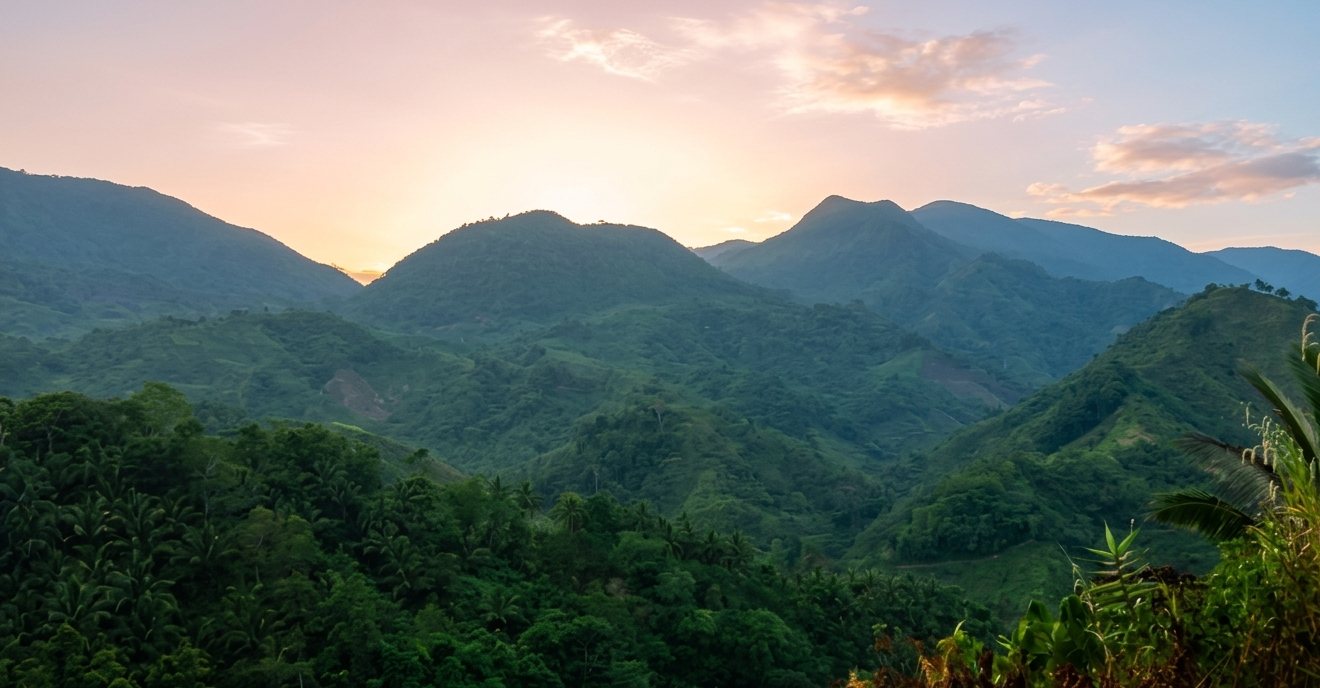
Sierra Madre — the longest mountain range in the Philippines
Explore the Site
Each section covers a different dimension of Philippine natural heritage.
From living reefs and ancient flora to birds, geology, and freshwater worlds — six galleries of Philippine natural heritage.
Detailed profiles of the Philippines' most remarkable and threatened species, with conservation status and habitat information.
A timeline from tectonic formation to the present day — tracing the geological and ecological history of the archipelago.
Natural destinations across the archipelago — from UNESCO World Heritage Sites to hidden wilderness areas.
The full index of Philippine protected areas under the National Integrated Protected Areas System.
Visual records of Philippine flora, fauna, landscapes, and marine life — from Palawan to the Cordillera.
Contact
Questions, corrections, contributions, or just want to talk about Philippine wildlife — all messages welcome.