 Expedition PH Natural History
Philippine Freshwater
281 freshwater fish species, 67 endemic — from Taal Lake's one-of-a-kind sardine to highland stream gobies found on a single mountain.
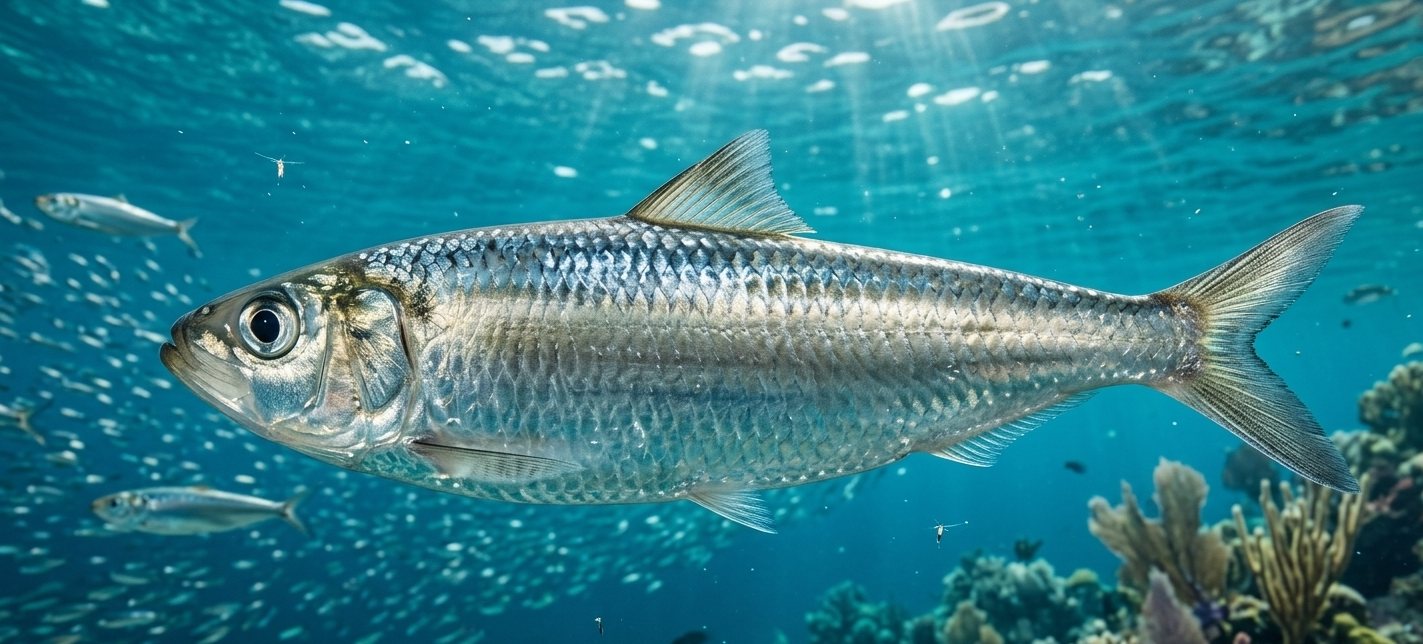
The world's only freshwater sardine — found exclusively in Taal Lake, Batangas. A cultural icon of the Bicol region, evolved from marine ancestors trapped when the lake was isolated from the sea thousands of years ago. Now critically threatened by overfishing and volcanic activity.
The Collection
Twenty-four species — sardines, eels, gobies, barbs, crabs, shrimp, snakeheads, stingrays, and more — representing the remarkable freshwater biodiversity of Philippine lakes and rivers.
The world's only freshwater sardine — found exclusively in Taal Lake, Batangas. A cultural and culinary icon of the Batangas region, now threatened by overfishing and volcanic activity.
VulnerableA tiny endemic fish found in the shallow lakes, streams, and rice paddies of Luzon. One of several Philippine ricefish whose populations have declined sharply due to pesticide use, water pollution, and habitat loss in agricultural landscapes.
VulnerableKnown locally as Ayungin — a beloved native perch of Philippine lakes and rivers. Culturally significant and once abundant, it is now increasingly rare in many water bodies due to competition from invasive fish species and overfishing.
Least ConcernA small, schooling fish endemic to the highland streams of Mindanao. Its strict requirement for clean, fast-flowing water makes it a sensitive indicator of stream health — and a species under pressure from forest loss across its range.
Data DeficientA freshwater relative of seahorses — found only in the rivers of Luzon. Slender, slow-moving, and cryptically coloured, it clings to aquatic vegetation in gentle currents and is almost never seen despite living alongside human settlements.
Data DeficientA small, recently described barb found only in the freshwater rivers of Palawan. One of several endemic cyprinids discovered in Philippine freshwaters in the 21st century — a testament to how much biodiversity remains undocumented in the archipelago.
VulnerableA stunning freshwater crab endemic to the mountain streams of Palawan, with brilliant electric-blue claws among the most vivid of any freshwater crustacean in Asia. One of four closely related blue-clawed crab species described from Palawan in 2012, each found in a different river catchment of the same island.
EndangeredThe world's largest freshwater prawn — known in the Philippines as Ulang. Found in major rivers across Luzon, Mindanao, and the Visayas, it is one of the most economically important native freshwater species. Wild populations have declined sharply due to overfishing and river degradation.
Least ConcernThe world's largest freshwater eel — reaching over 1.8 metres. Found in rivers and lakes across the Philippine archipelago, it can travel overland on wet nights to cross between water bodies. One of the most widely harvested freshwater fish in the Philippines, increasingly threatened by dam construction blocking its migration routes.
Least ConcernA small, spectacularly coloured goby of Philippine highland streams. Males develop brilliant blue-green breeding colouration that rivals any reef fish. A sensitive indicator of water quality — it disappears from streams as soon as siltation or deforestation degrades the clear, swift water it requires.
Least ConcernA remarkable fish that spends much of its life out of water — walking on its pectoral fins across mangrove mud flats and climbing roots above the waterline. Found across the Philippine coastline in mangrove and estuarine habitats, it is a keystone species of intertidal ecosystems.
Least ConcernOne of the endemic cyprinid fishes of Lake Lanao, Mindanao — a lake once famous for an extraordinary radiation of freshwater fish found nowhere else. The introduction of invasive species in the 1960s triggered the most devastating freshwater fish extinction event in Philippine history.
Critically EndangeredA powerful predatory fish capable of breathing air and crossing land between water bodies. Known locally as Dalag, it is one of the most widespread and culturally important freshwater fish in the Philippines — and one of the most aggressive predators in Philippine rivers, capable of taking prey as large as frogs and small birds.
Least ConcernA tiny, completely transparent goby found in Philippine lakes and coastal lagoons — its internal organs fully visible through its crystal-clear body. One of the few entirely transparent vertebrates in the world, it forms dense schools in open water where its invisibility is its only defence against predators.
Data DeficientA small, colourful barb endemic to the freshwater rivers of Palawan. Found in clear, fast-flowing forest streams, it is one of several cyprinid species that evolved in Palawan's long-isolated watershed — a freshwater equivalent of island biogeography playing out in a single river system.
VulnerableA tiny, transparent freshwater shrimp endemic to Philippine highland streams. Several distinct species inhabit the mountain rivers of Luzon, Mindanao, and Palawan — each adapted to the specific chemistry and flow of its home stream. Increasingly popular in the freshwater aquarium trade, adding pressure to wild populations.
Data DeficientA small, flattened loach found in the swift mountain streams of the Philippines. Its sucker-like mouth and flattened body are perfect adaptations for life on the bottom of fast-flowing rapids, where it grazes algae from rocks in currents that would sweep away larger fish.
Data DeficientA large stingray found in the major river systems of Palawan — one of the few rays fully adapted to freshwater. It buries itself in sandy riverbeds, perfectly camouflaged, and delivers a venomous tail spine to anything that steps on it. One of the least-studied large freshwater animals in the Philippines.
EndangeredA slender, surface-dwelling predator found in Philippine rivers and lakes — its elongated beak lined with tiny, sharp teeth for seizing small fish at the water surface. Known to Philippine fishermen as Katambak, it is a prized food fish that leaps dramatically when hooked or startled.
Least ConcernA small goby found in the fast-flowing mountain streams and waterfalls of the Philippines. Unlike most fish, it can climb vertical waterfalls using its pelvic fins as a suction disc — migrating upstream past seemingly impassable cascades to reach breeding pools high in the Philippine highlands.
Least ConcernA diverse group of freshwater crabs endemic to Philippine mountain forest streams. Each river system — sometimes each valley — harbours its own genetically distinct species, making the Philippines one of the world's most diverse countries for freshwater crab endemism. Threatened by deforestation, which removes the leaf litter and stream shading they depend on.
Data DeficientA small, semi-transparent perch found in Philippine rivers, lakes, and estuaries. Its partially transparent body and schooling behaviour make it one of the most common yet least-noticed fish in Philippine freshwater — a key prey species for larger fish and waterbirds across the entire archipelago.
Least ConcernA small, bottom-dwelling goby endemic to Philippine freshwater streams. Named for its lizard-like resting posture on rocks and submerged wood, it is a common but poorly studied resident of clean lowland and upland rivers across the archipelago.
Data Deficient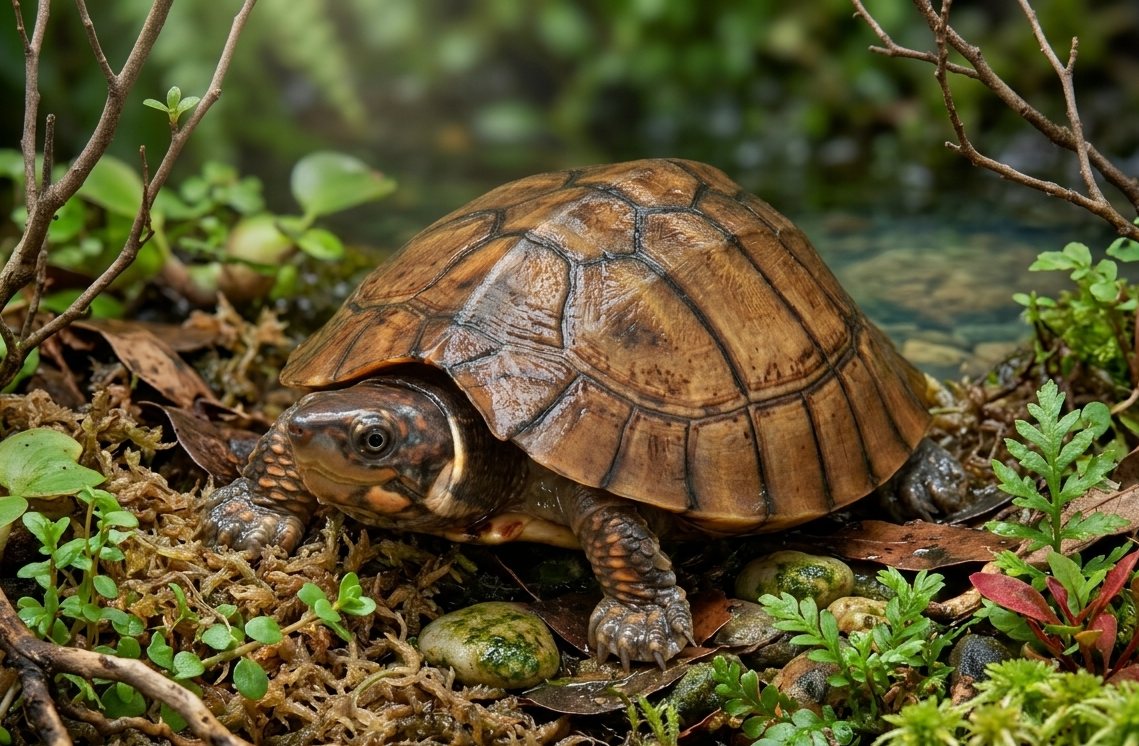
A small, dark freshwater turtle found in the lowland rivers, lakes, and swamps of Luzon and Mindanao. Once extremely common in Laguna de Bay and the Agusan Marsh, its populations have collapsed due to overharvesting for food and the pet trade. One of the most threatened freshwater turtles in the Philippines.
VulnerableConservation
The Philippines has lost over 70% of its original forest cover. Every species documented here depends on urgent collective action.
Click any card to view full details.