 Expedition PH Natural History
Natural History
From the formation of the archipelago to the present day — 65 million years of natural history across the Philippine islands.
65 Million Years
Tectonic collisions, rising seas, ancient migrations, and explosive evolution — the Philippine islands have one of the most dramatic natural histories on Earth.
Tectonic activity begins forming the foundations of the Philippine archipelago as oceanic plates collide in the western Pacific. Volcanic island arcs emerge from the sea, laying the geological groundwork for what will become one of the world's most biodiverse regions.
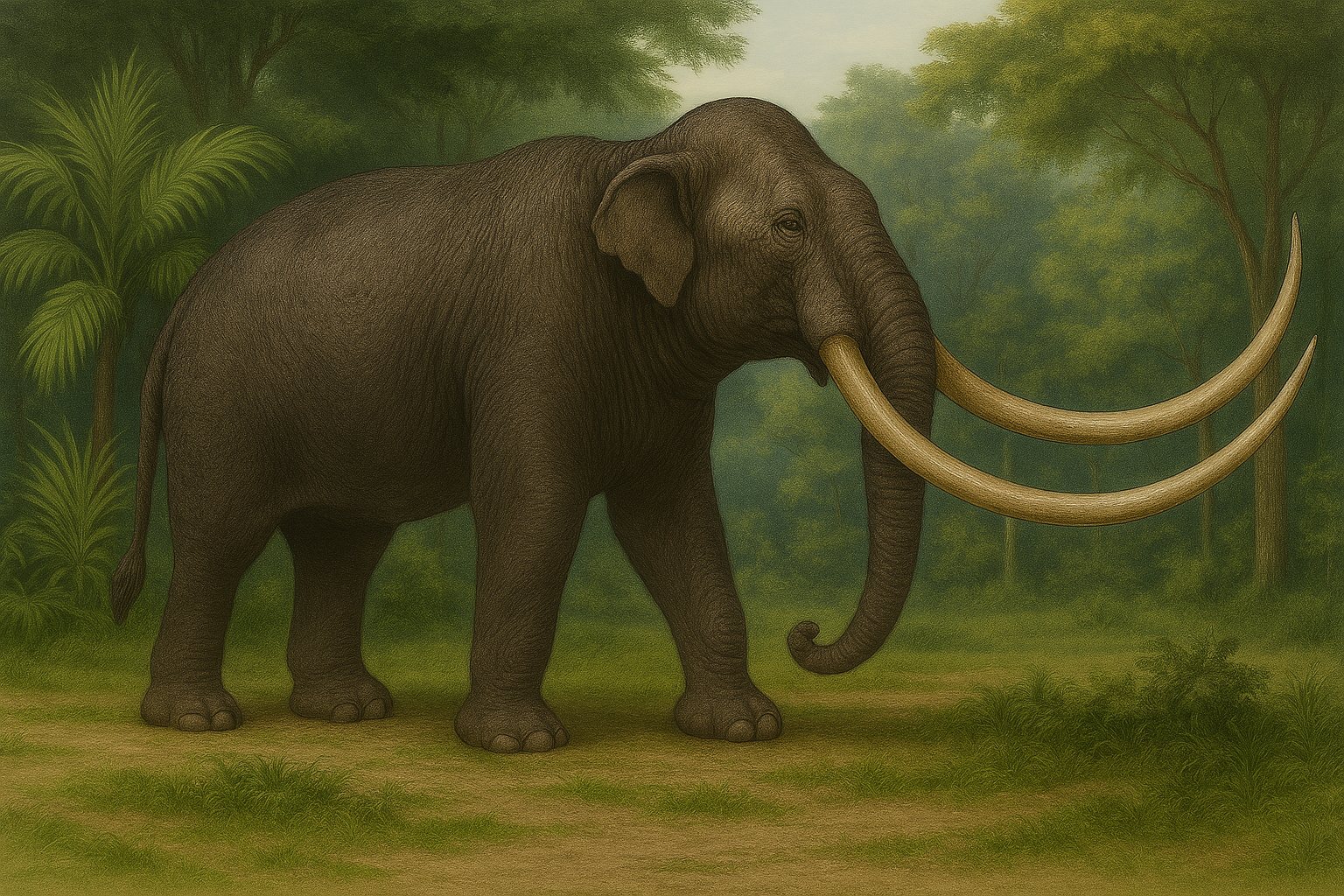
Periodic land bridges allow the first land animals to colonize the islands from mainland Asia. Ancient elephants, giant tortoises, and early primates make landfall, beginning the process that will eventually produce the Philippines' extraordinary endemic fauna.
Rising seas permanently separate the islands, triggering explosive adaptive radiation. Isolated populations evolve rapidly into new endemic species — the origin of the Philippines' extraordinary biodiversity. This is when ancestors of the Philippine Eagle, the Tarsier, and countless endemic plants begin their separate evolutionary journeys.
Post-glacial sea levels stabilize, establishing the Philippines at the apex of the Coral Triangle — the most biodiverse marine region on Earth, home to 76% of all known coral species and over 37% of the world's reef fish species. The reefs that form during this period become the backbone of Filipino coastal life.
Spanish naturalists begin documenting Philippine flora and fauna, producing the first Western scientific records of species such as the Philippine Eagle, the Carabao, and the Rafflesia. These accounts spark a centuries-long process of scientific exploration that eventually leads to the formal study of Philippine natural history.
Systematic scientific documentation of Philippine biodiversity accelerates. Expeditions into Mindanao, Palawan, and the Cordillera highlands gather thousands of plant and animal specimens, laying the foundation for the modern understanding of Philippine natural heritage.
The Philippines is now one of the world's greatest biodiversity hotspots — and one of the most threatened. Over 70% of original forest cover has been lost. Conservation efforts by Filipino scientists and communities fight to protect what remains of a natural heritage 65 million years in the making.