 Expedition PH Natural History
Philippine Birds
706 recorded species, 238 endemic — from the world's most powerful raptor to iridescent sunbirds of the Cordillera cloud forests.
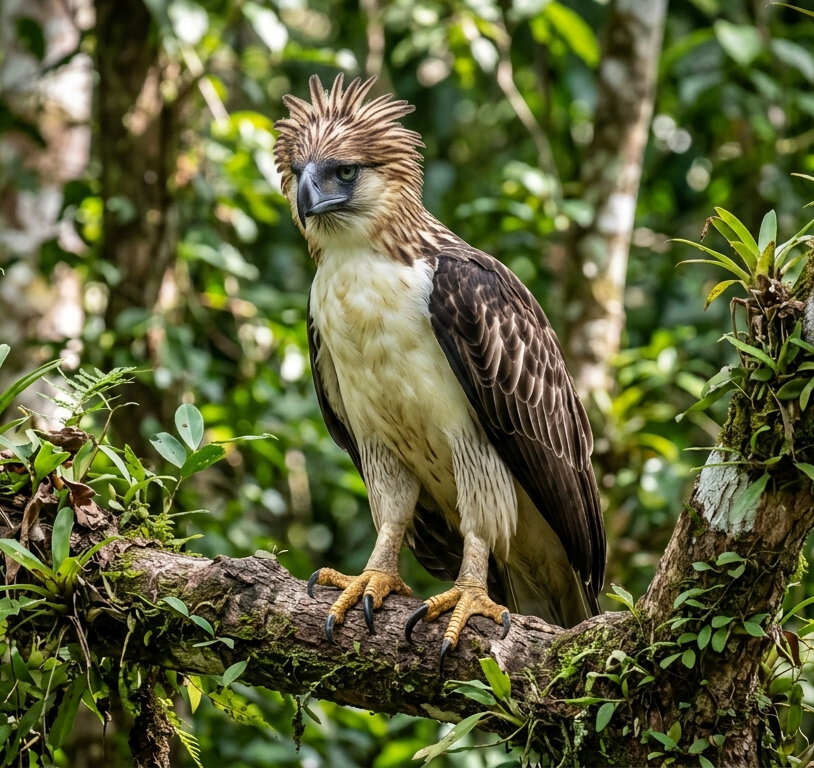
The national bird of the Philippines and one of the world's rarest, largest, and most powerful birds of prey. Found only in the rainforests of Mindanao, Leyte, Samar, and Luzon, this magnificent raptor reigns at the top of the forest food chain. Its wingspan can reach up to 2 metres, and it preys on monkeys, flying lemurs, and large bats. Fewer than 800 individuals remain in the wild.
The Collection
Twenty-four iconic species from 706 recorded — raptors, hornbills, parrots, doves, pittas, kingfishers, and songbirds found nowhere else on Earth.
The world's most powerful raptor. Wingspan up to 2m. Found only in Philippine rainforests. National bird and symbol of conservation.
Critically Endangered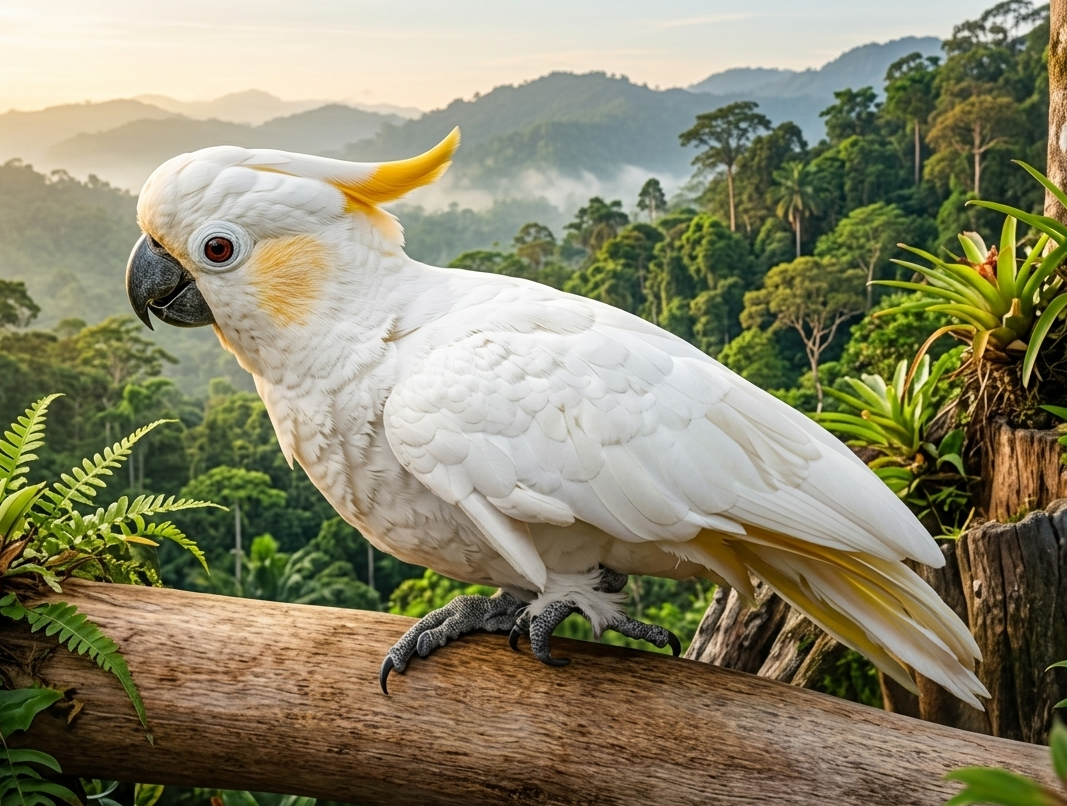
Known as the Katala — once widespread across the Philippines, now surviving mainly on Palawan. Community-led conservation has helped stabilise populations.
Critically Endangered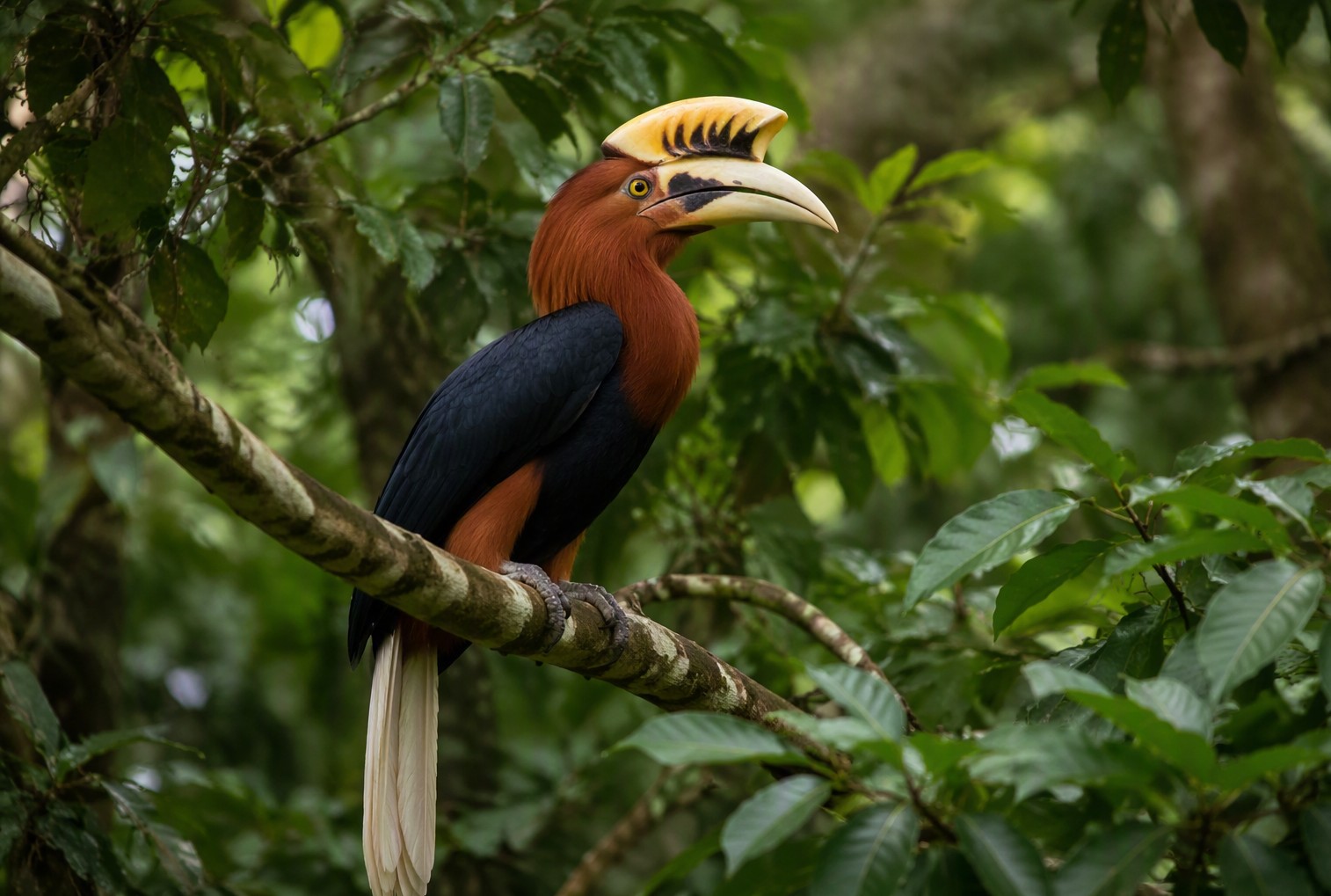
The Rufous Hornbill, known locally as Kalaw, is a forest sentinel found across the Philippines. Its loud call echoes through lowland and montane rainforests.
Endangered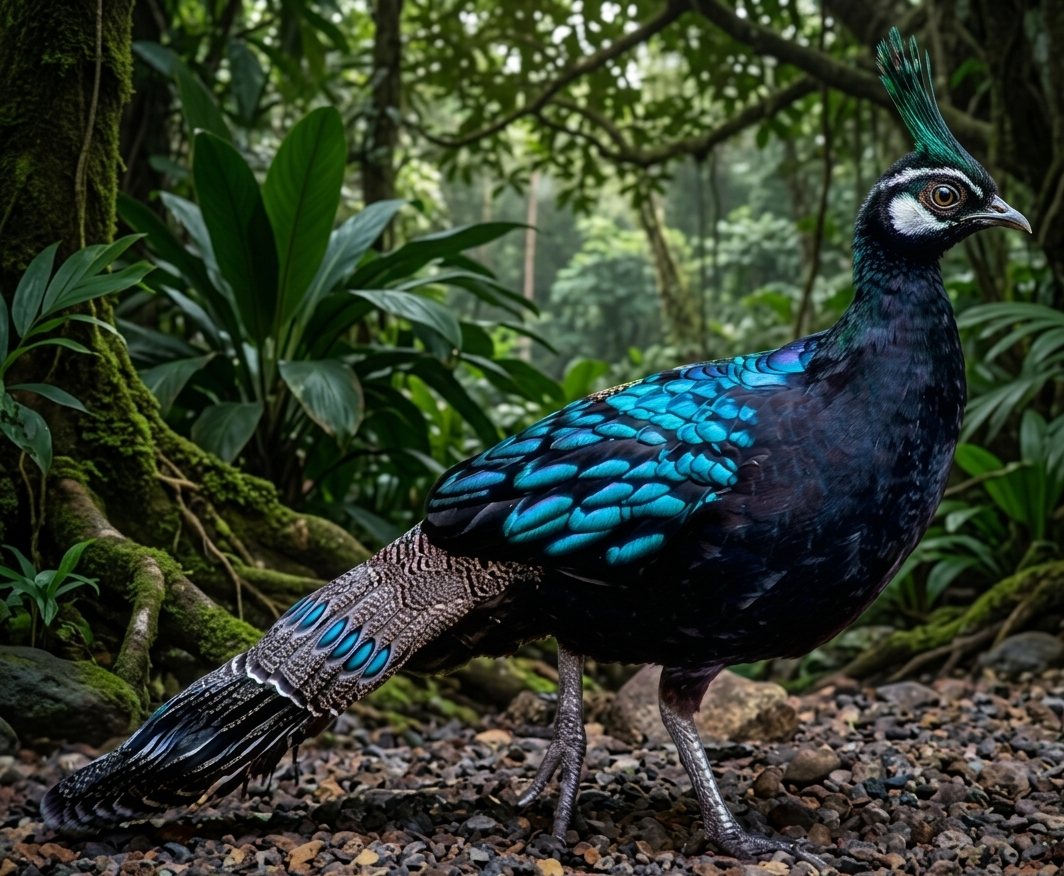
Among the most stunning birds of the Philippine forest floor — the male's metallic blue-green plumage and iridescent eyespots make it one of the most beautiful pheasants in the world. Endemic to Palawan.
Vulnerable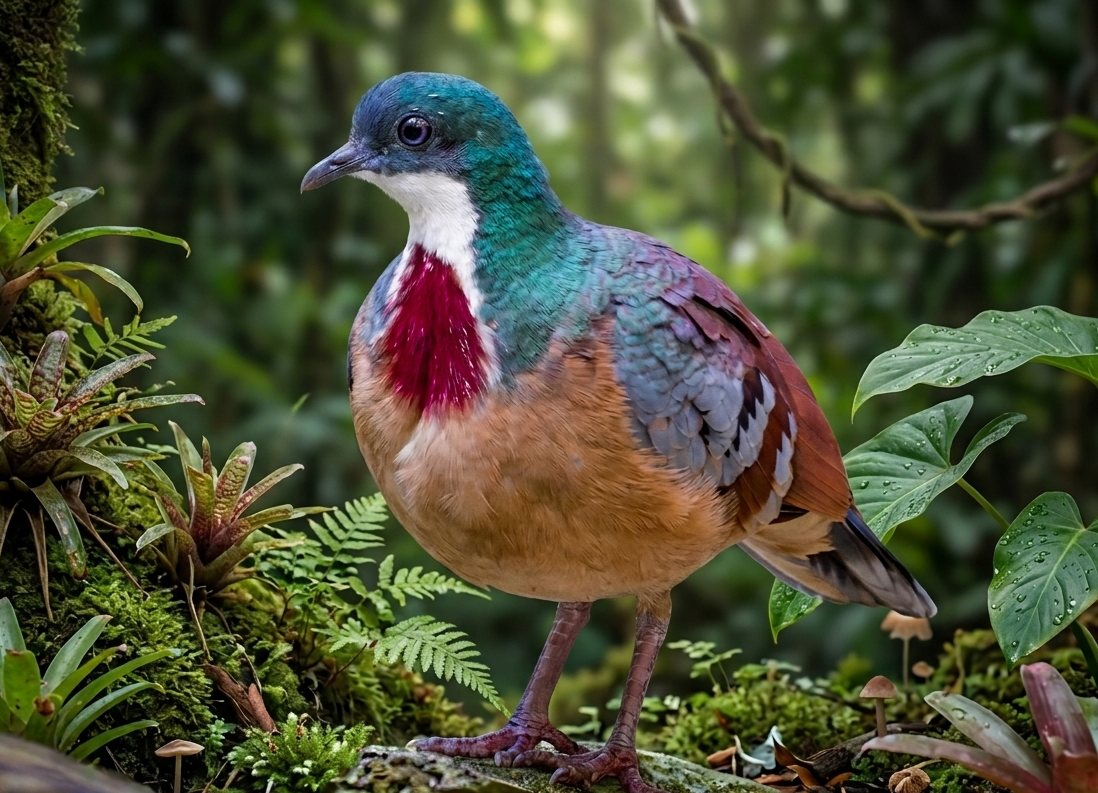
One of the most striking ground doves in the world — its vivid crimson breast patch mimics a bleeding wound. Found in the forests of Luzon and nearby islands, it walks the forest floor in search of seeds and invertebrates.
Vulnerable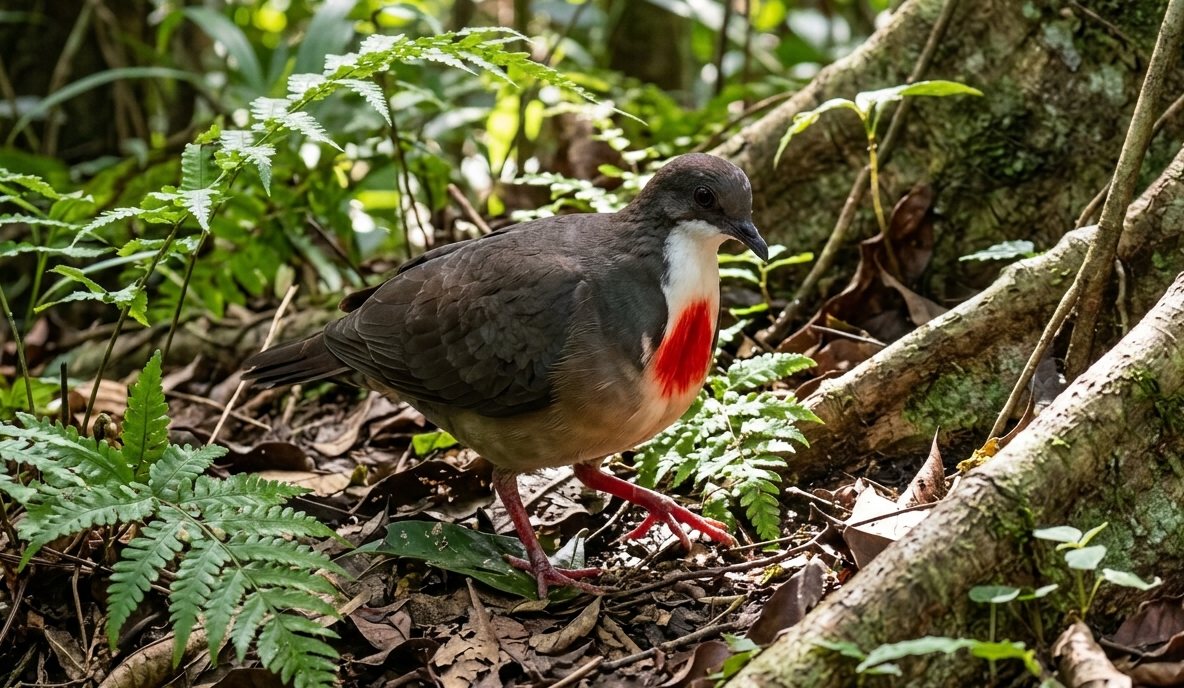
One of the rarest and most mysterious doves in the world — confined to the forests of Mindoro. Its secretive ground-dwelling habits make it nearly impossible to study, and almost nothing is known of its behaviour.
Critically Endangered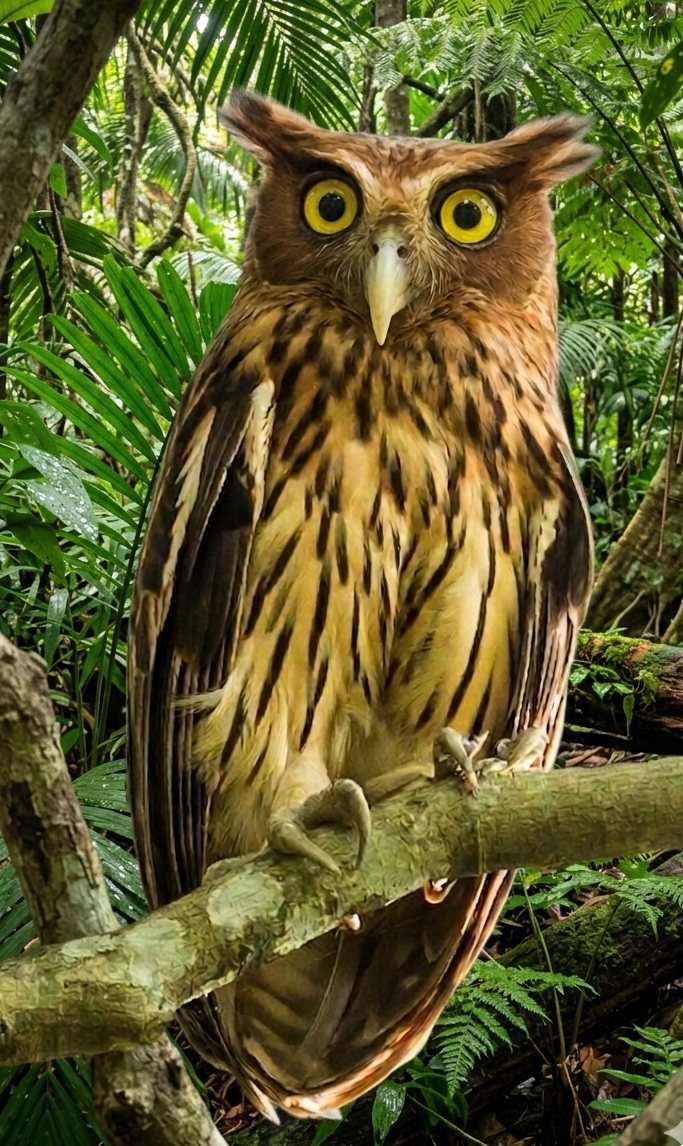
One of the largest owls in the world — a powerful nocturnal predator of Philippine lowland and foothill forests. Its deep booming call is one of the most haunting sounds of the Philippine night.
Vulnerable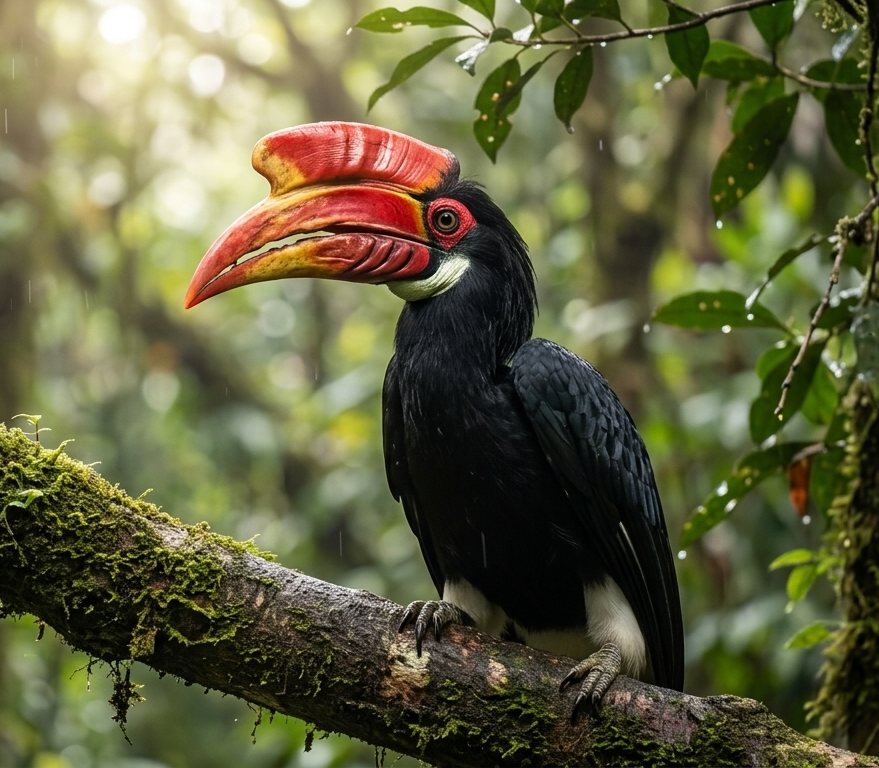
Found only on Panay and Negros — one of the world's most critically endangered hornbills. Deforestation has reduced its population to the point where individual nesting pairs are tracked by conservationists.
Critically Endangered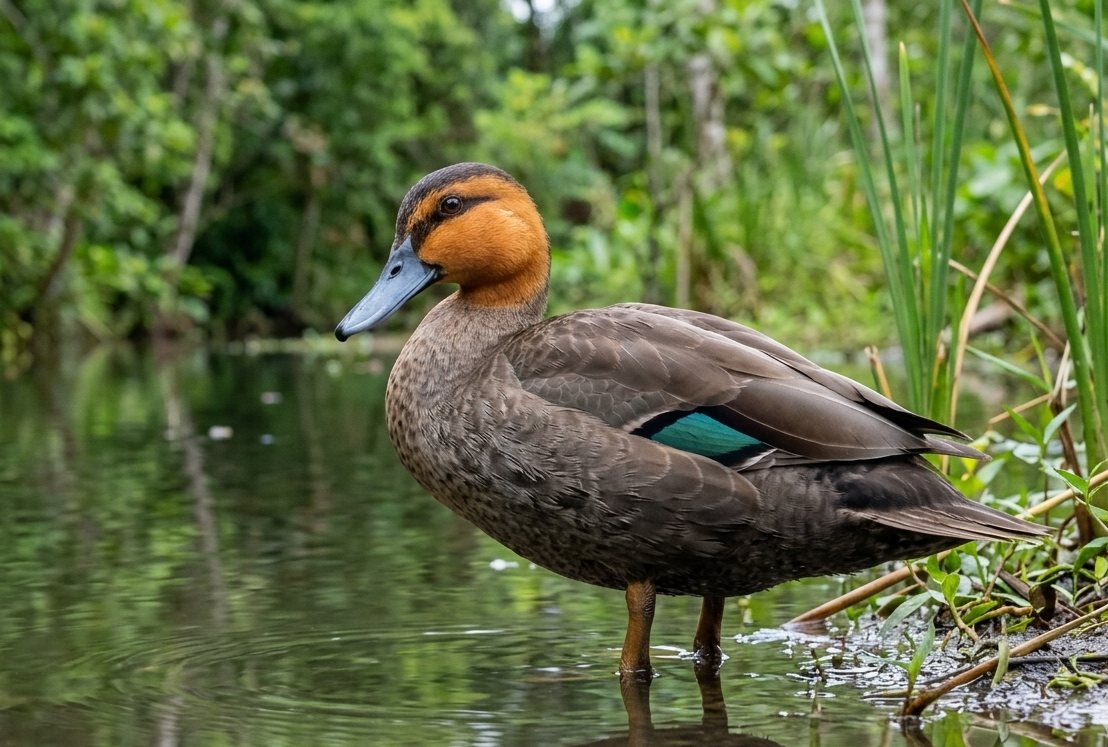
The only dabbling duck endemic to the Philippines. Found across Luzon, Mindanao, and surrounding islands in rivers, lakes, and mangroves. Its chestnut and white plumage is unmistakable among Philippine waterbirds.
Vulnerable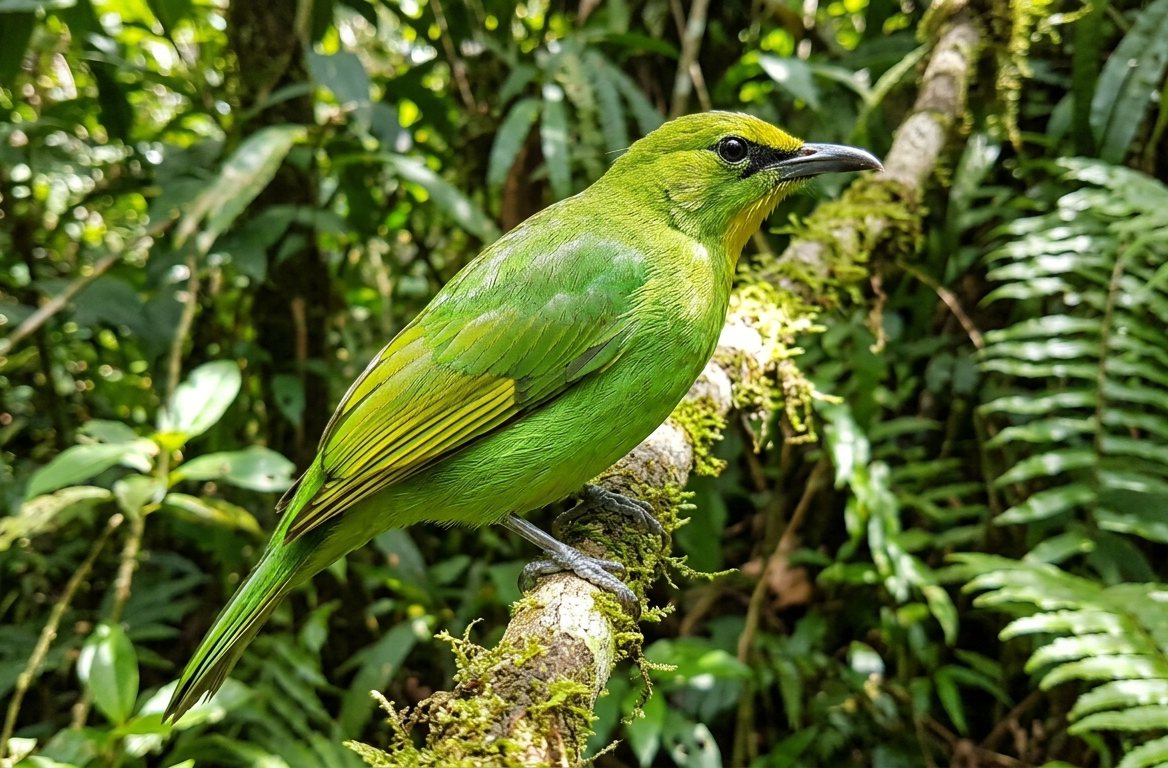
A jewel of the Visayan forest — the male's iridescent green and blue plumage is among the most spectacular of any Philippine songbird. Found on Cebu, Negros, and Leyte, it is a vital pollinator and seed disperser whose survival depends on the last remaining lowland forest fragments of the Visayas.
Endangered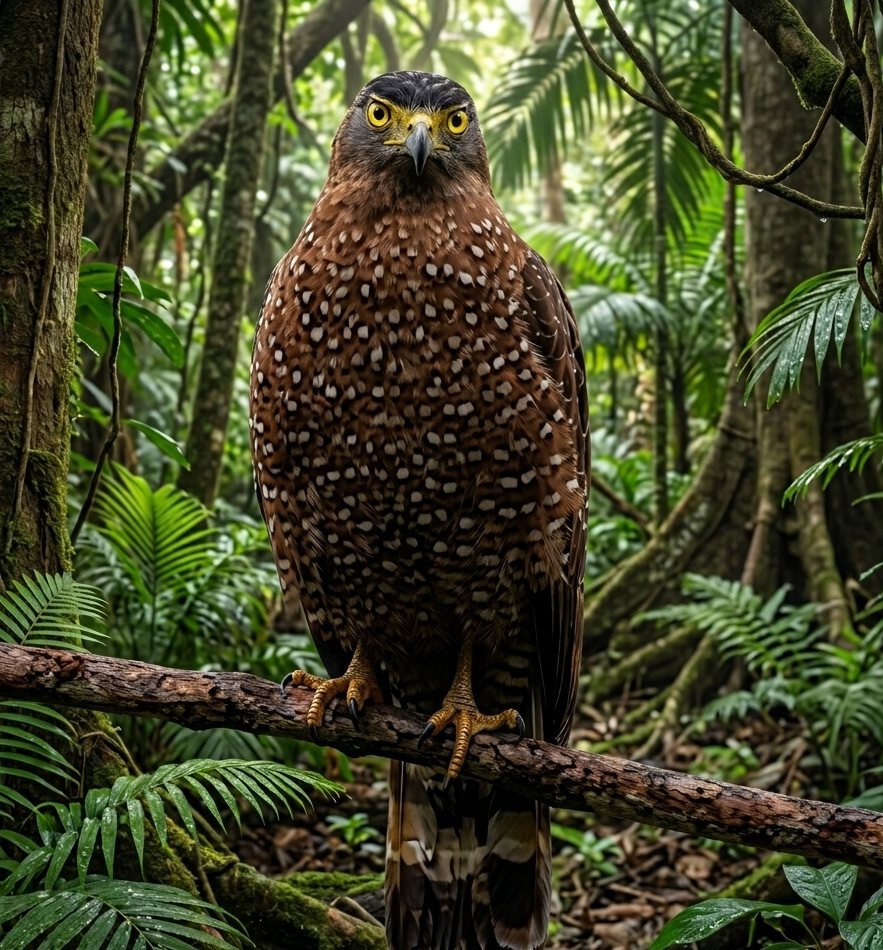
A medium-sized raptor found across the Philippine archipelago. A specialist predator of snakes and lizards — its piercing yellow eyes and loud, distinctive call make it a recognisable presence in Philippine forests.
Least Concern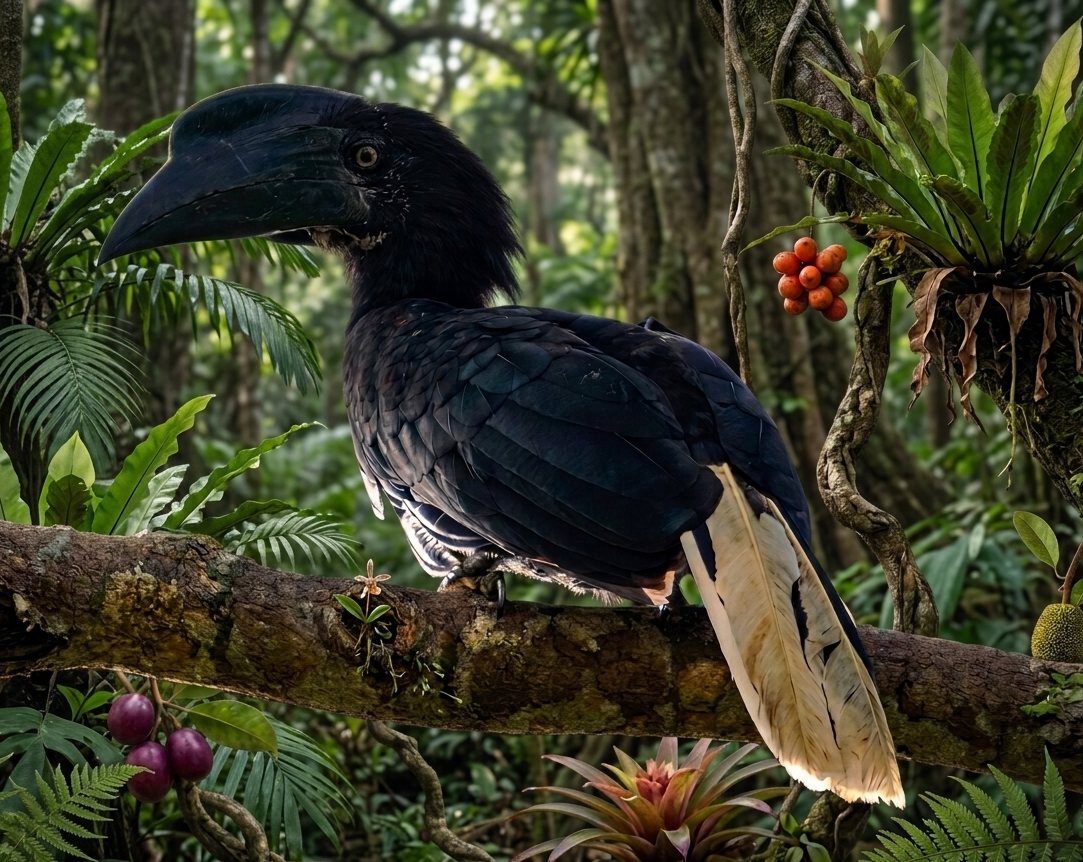
One of the world's most critically endangered hornbills — found only on Tawi-Tawi in the Sulu Archipelago. With fewer than 40 individuals remaining, it faces imminent extinction without urgent intervention.
Critically Endangered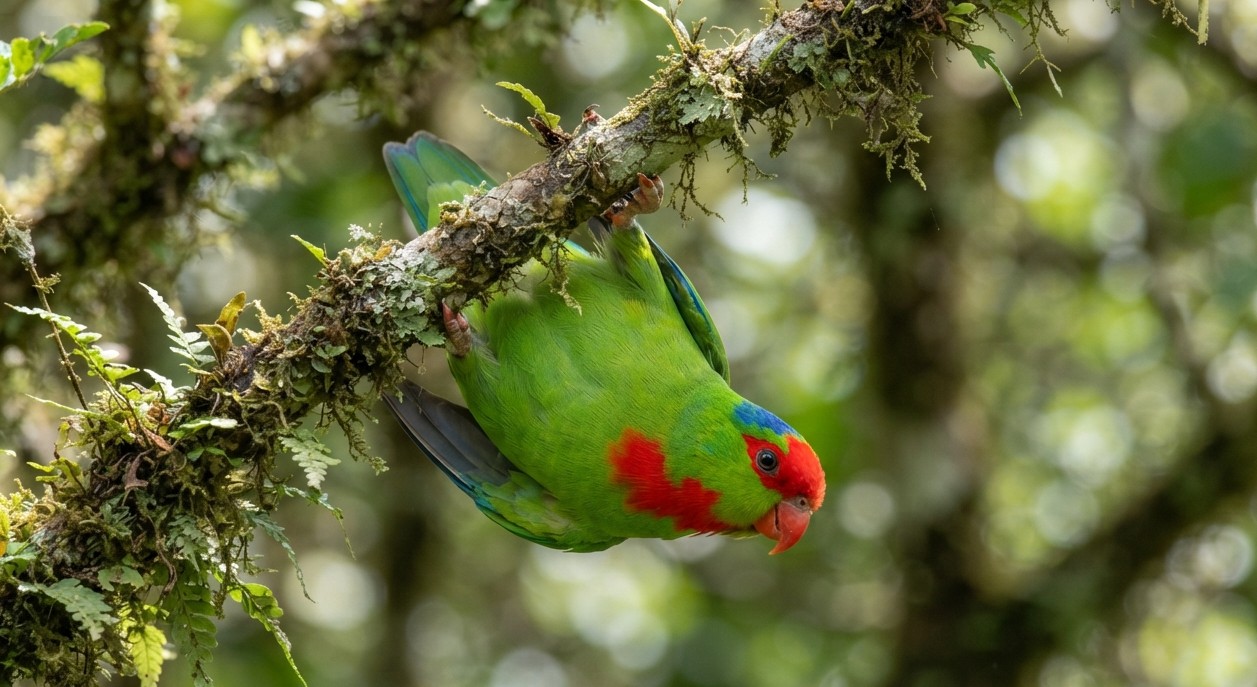
A tiny, vivid green parrot known for sleeping upside down like a bat. Found across the Philippine archipelago, it feeds on nectar, pollen, and soft fruit — playing an important role as a forest pollinator.
Least Concern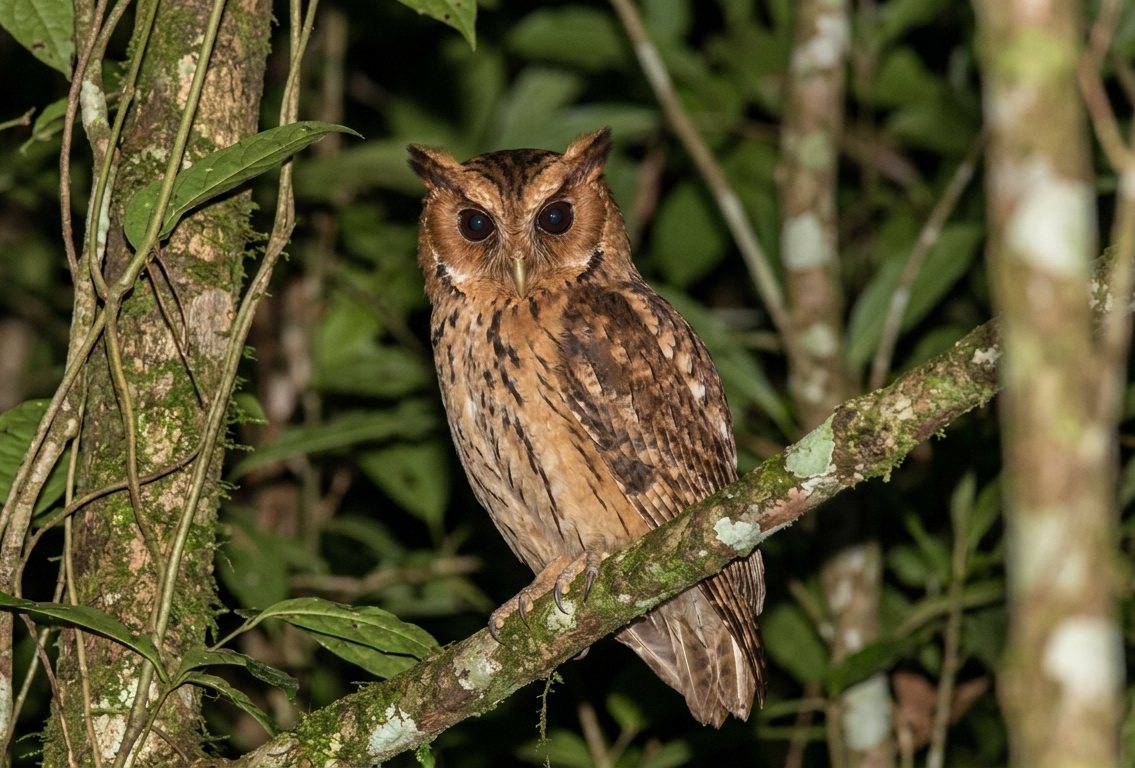
One of the world's largest scops owls — believed extinct for over 80 years before its dramatic rediscovery in Mindanao. This massive, forest-dwelling owl is still rarely encountered and poorly understood.
Vulnerable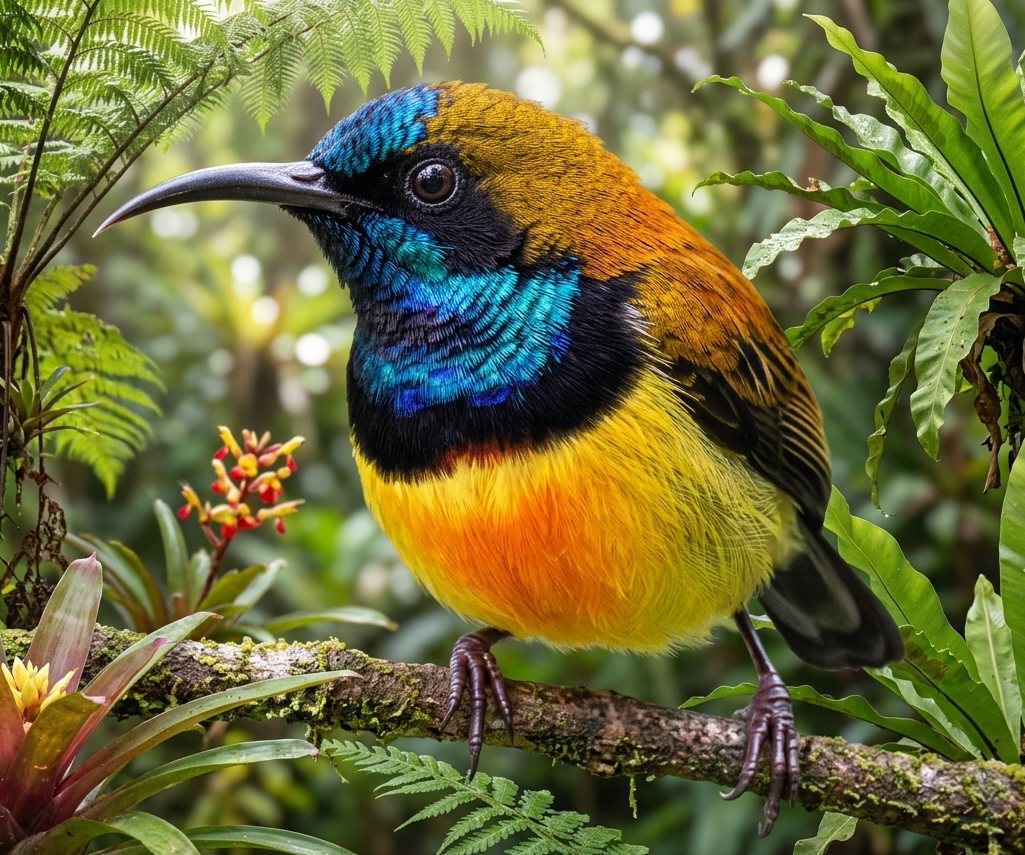
A brilliantly coloured nectar-feeding bird of Philippine highland forests. The male's fiery red and orange plumage is among the most spectacular of any small Philippine bird, flashing like an ember through the forest canopy.
Least Concern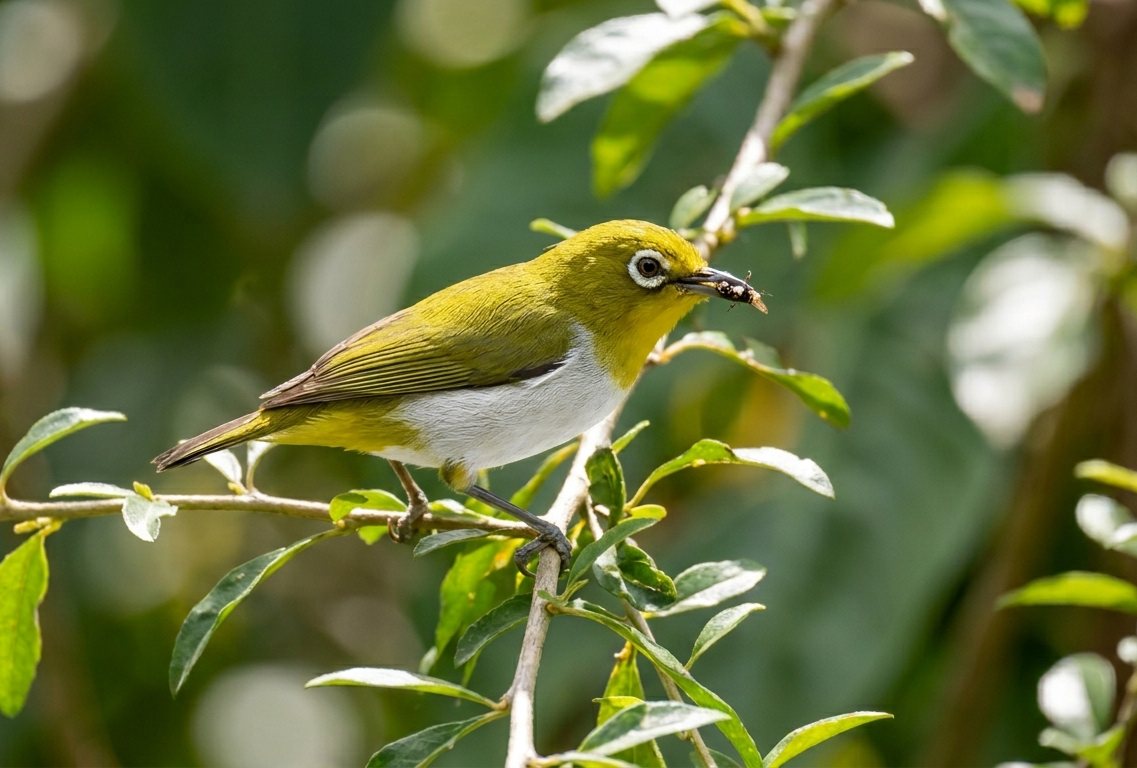
A small, sociable bird endemic to the Philippine lowlands — recognisable by the distinctive white ring around its eye. Often the nucleus of large mixed-species feeding flocks, making it a keystone species of forest bird communities.
Least Concern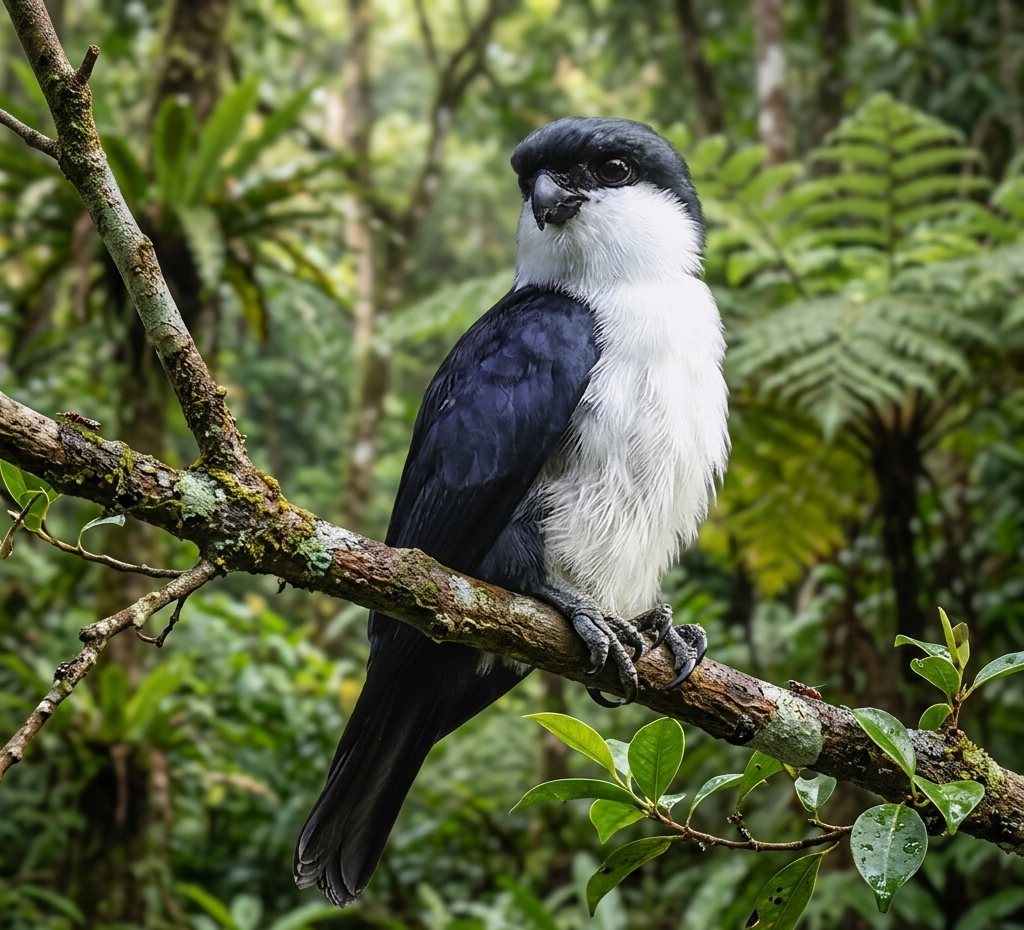
The world's smallest falcon — a pocket-sized predator that hunts from open perches across Philippine lowland forests and forest edges. Despite its tiny size, it is bold and aggressive, regularly taking prey larger than itself.
Least Concern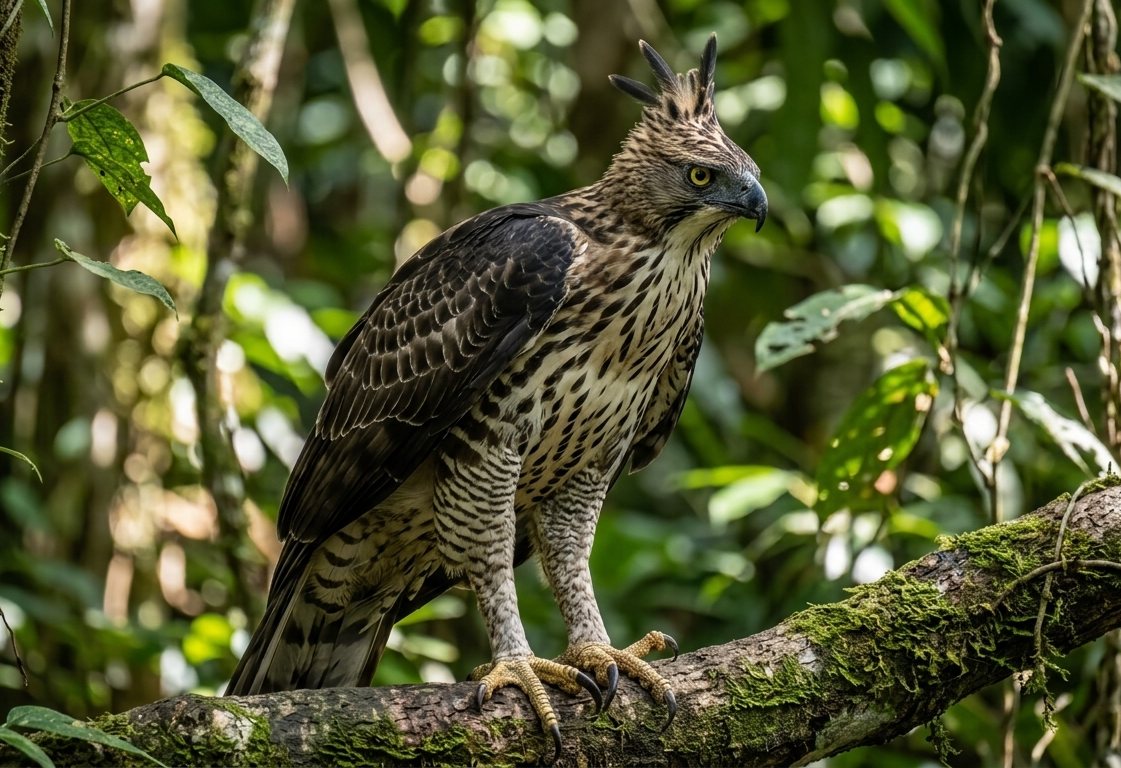
A powerful, crested eagle endemic to the forests of Luzon and the Visayas. Second only to the Philippine Eagle among the archipelago's forest raptors — it hunts birds, lizards, and small mammals through the dense rainforest canopy with remarkable agility.
Vulnerable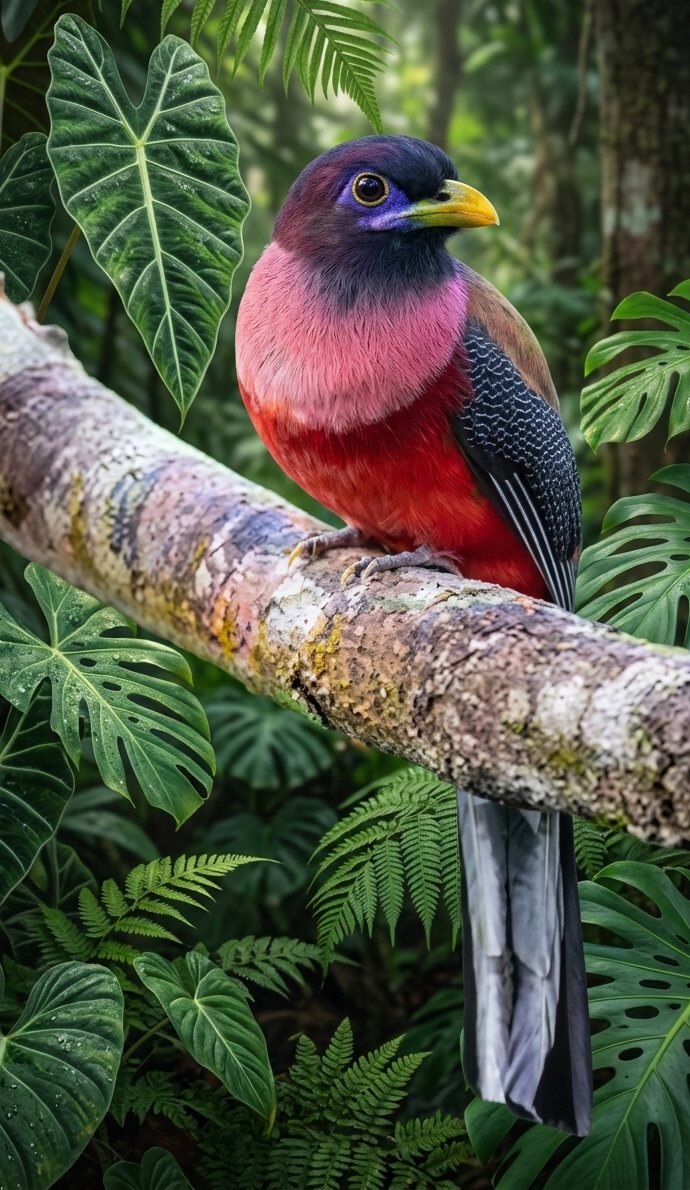
One of the most colourful birds in the Philippine forest — the male's deep crimson breast and emerald-green back make it a striking sight perched motionless in the shaded understorey. Found across the major Philippine islands in primary and mature secondary forest.
Near Threatened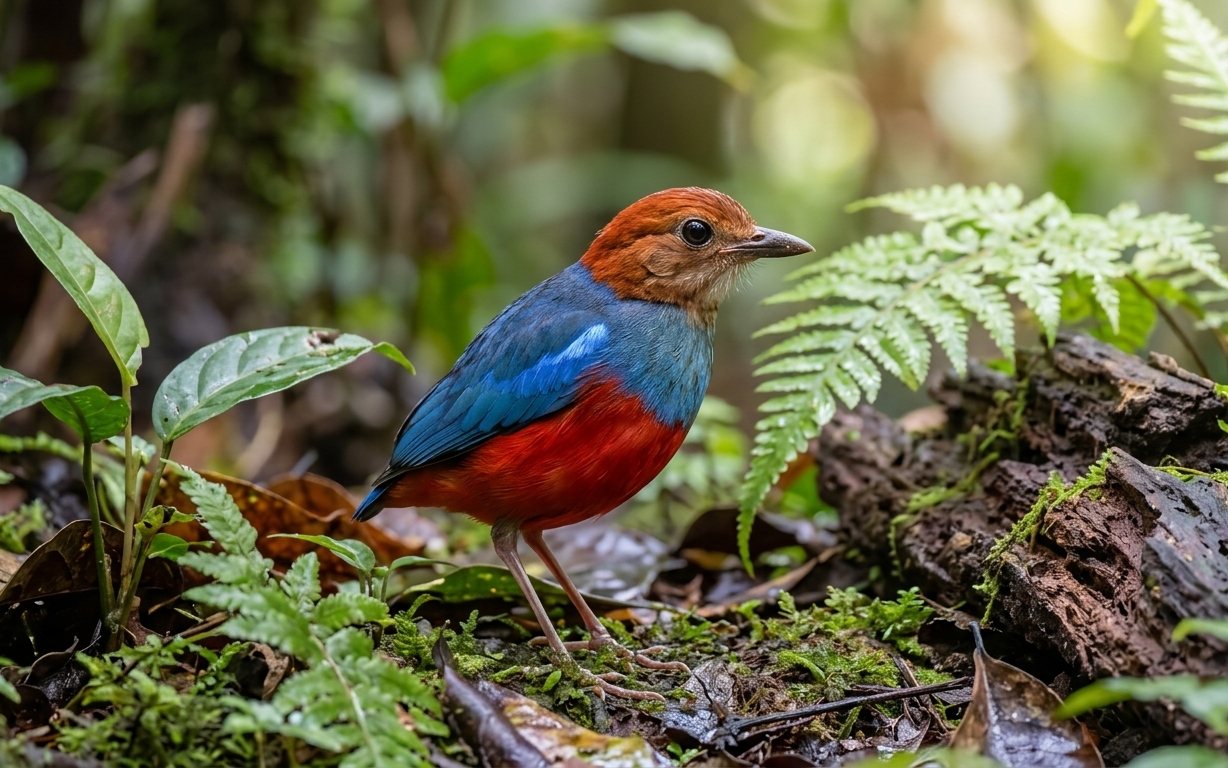
One of the most vividly coloured birds in the Philippine forest — its crimson, cobalt, and emerald plumage blazes on the forest floor. Found across the major Philippine islands, it hunts earthworms and invertebrates among leaf litter with a quick, jerky gait.
Least Concern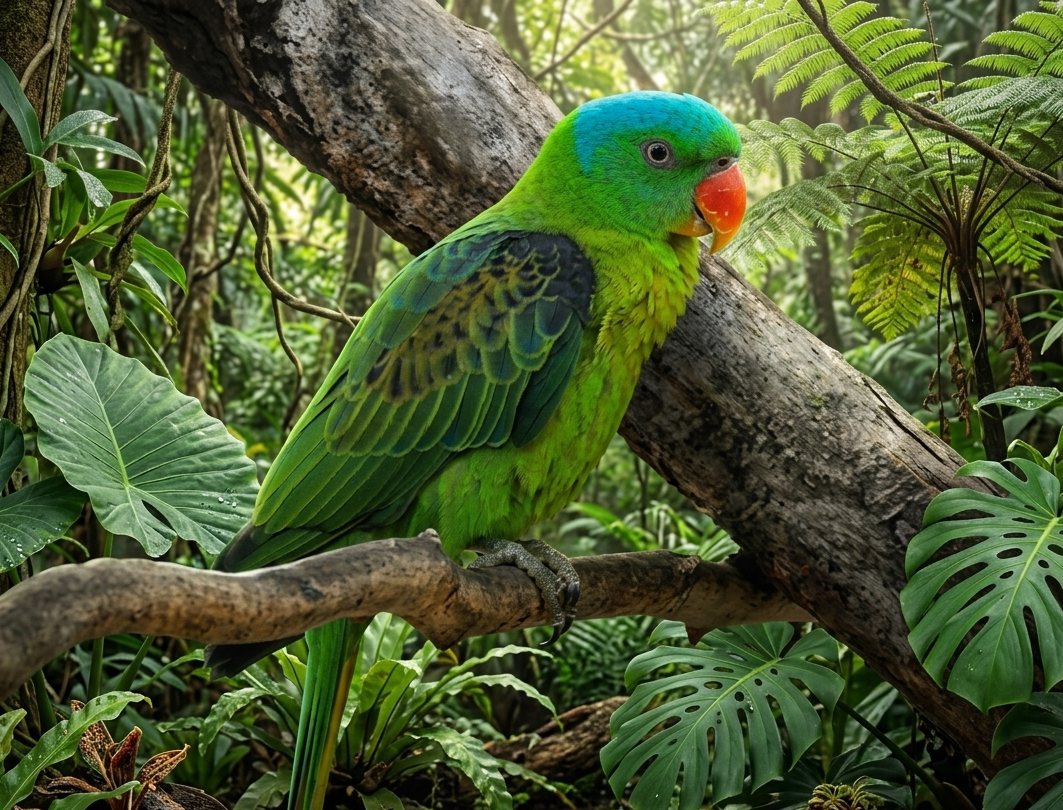
A large, vivid green parrot with a distinctive turquoise-blue nape — found across the Philippine archipelago. A noisy, sociable bird of forest canopy and forest edges, it is heavily traded as a pet, reducing wild populations significantly across its range.
Near Threatened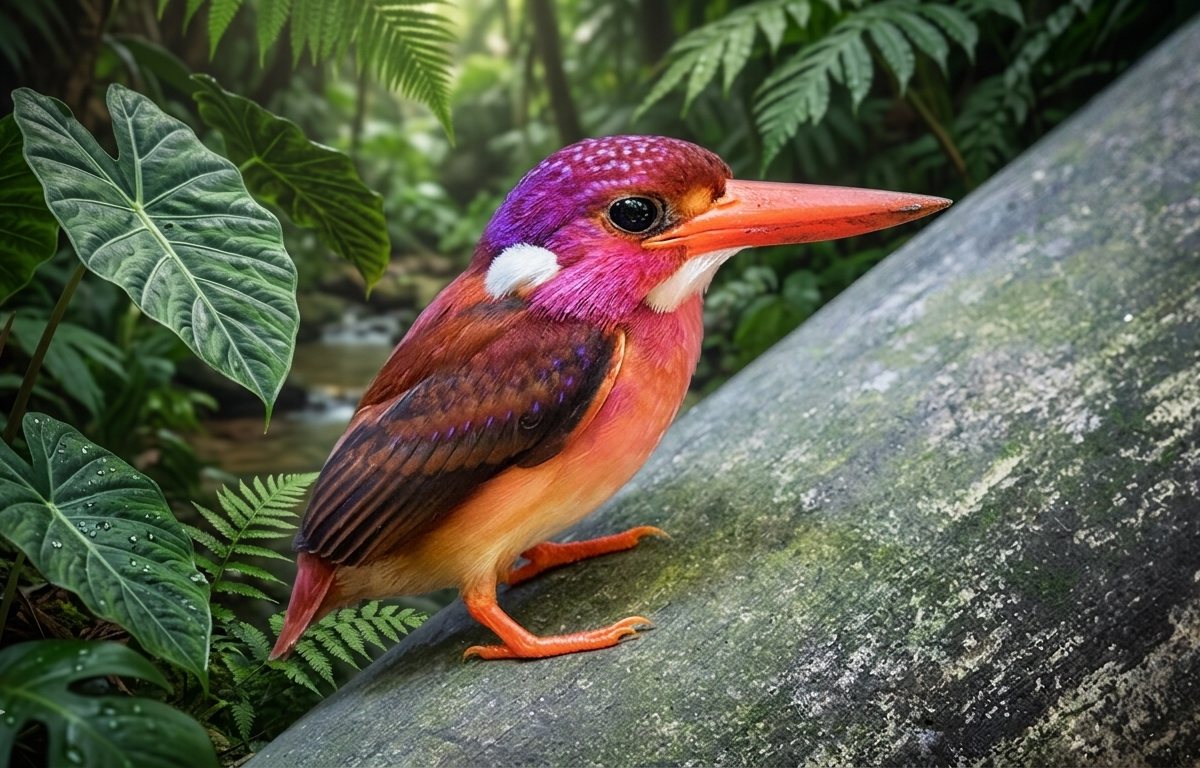
A tiny, fiery-orange endemic kingfisher found along the forest streams of Luzon. One of the most threatened kingfishers in the world — its dependence on clean, clear forest streams means it vanishes as soon as forest cover is removed upstream.
Endangered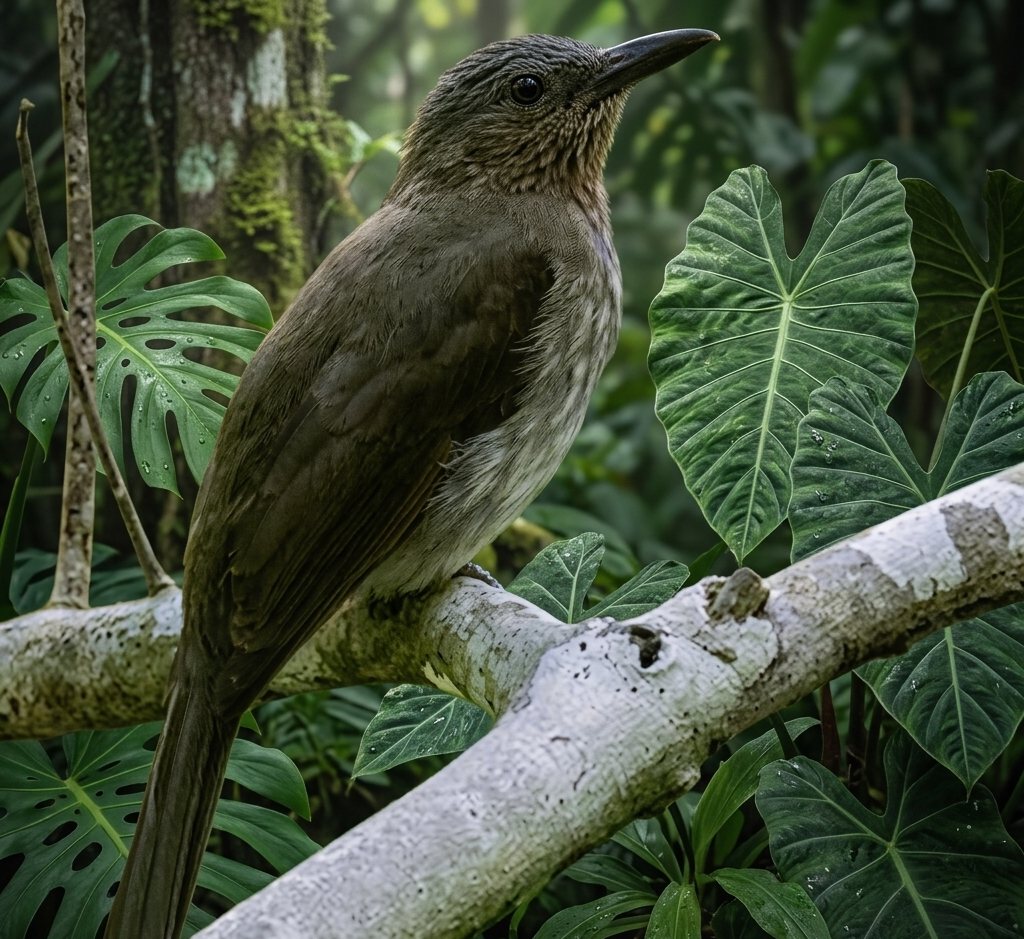
One of the most vocal and widespread forest birds of the Philippine archipelago. Its loud, rich calls are among the defining sounds of Philippine forest — and as a prolific fruit-eater and seed disperser, it plays a critical role in forest regeneration across multiple island groups.
Least Concern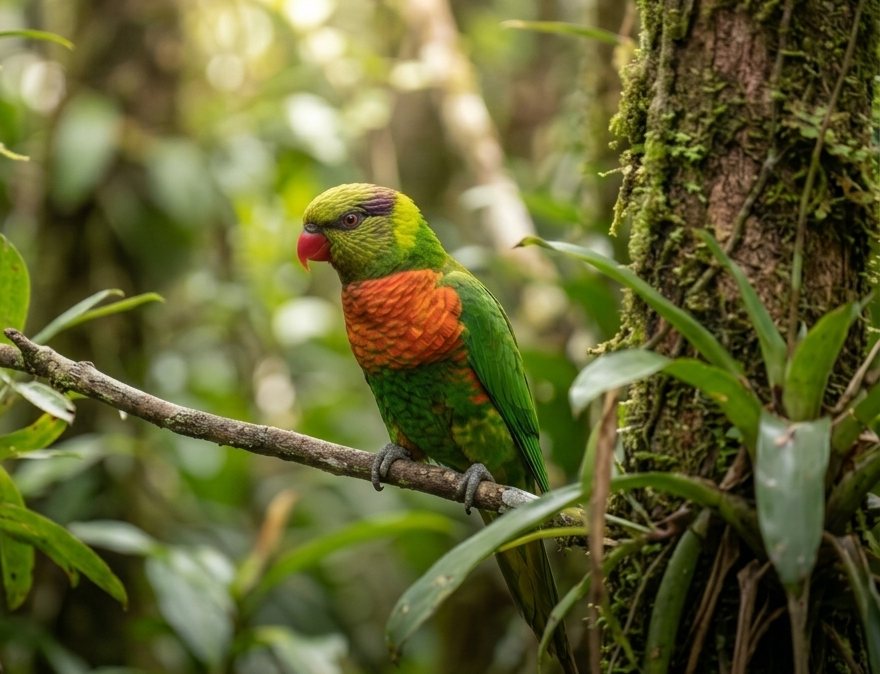
A small, brilliantly coloured lorikeet found only in the montane forests of Mindanao above 1,000 metres. One of the least-known parrots in the Philippines — its high-altitude habitat and secretive habits make it rarely encountered even by experienced birders.
Vulnerable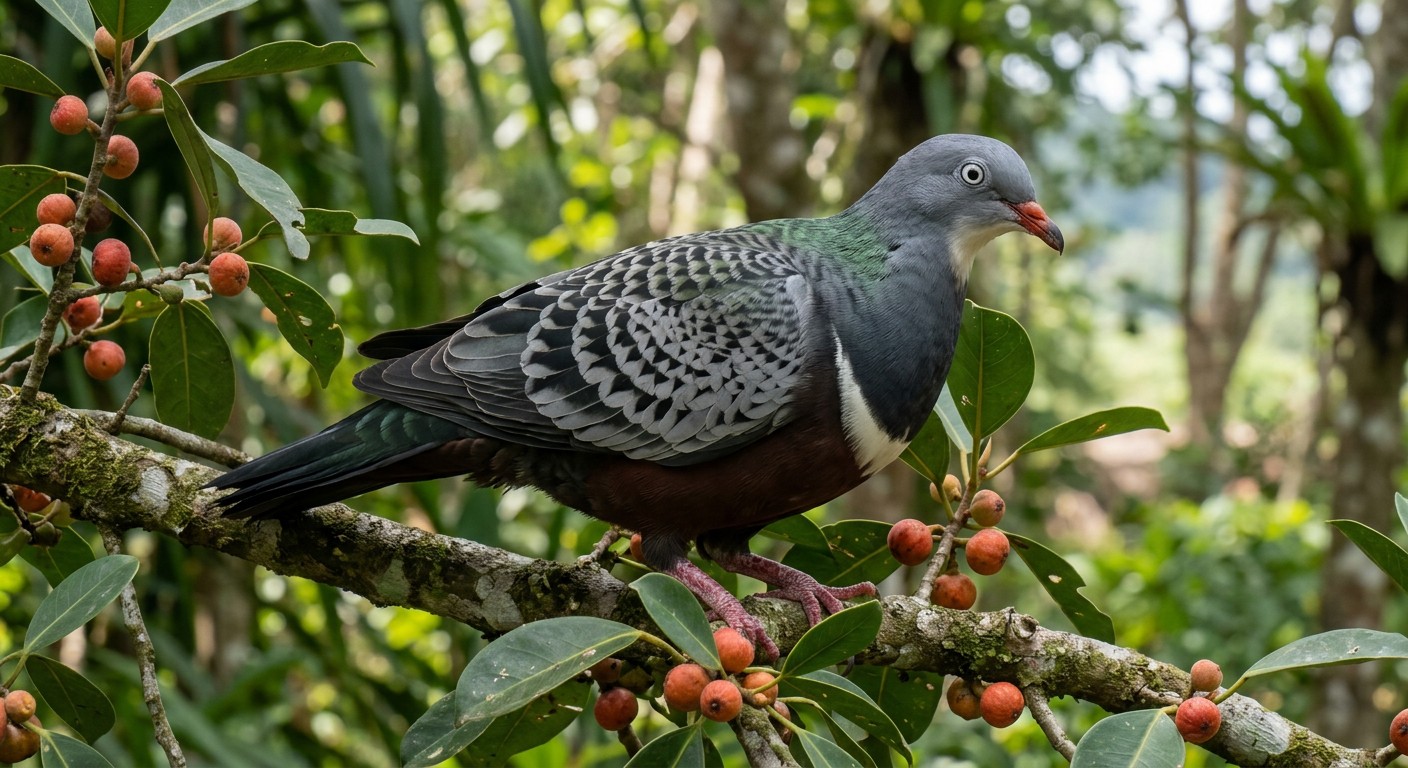
A large fruit pigeon endemic to the Philippines — its white-spotted wing tips and grey-and-chestnut plumage are unmistakable. Found across Mindanao, Palawan, and the islands of northern Luzon, it is a critical disperser of large forest seeds.
Vulnerable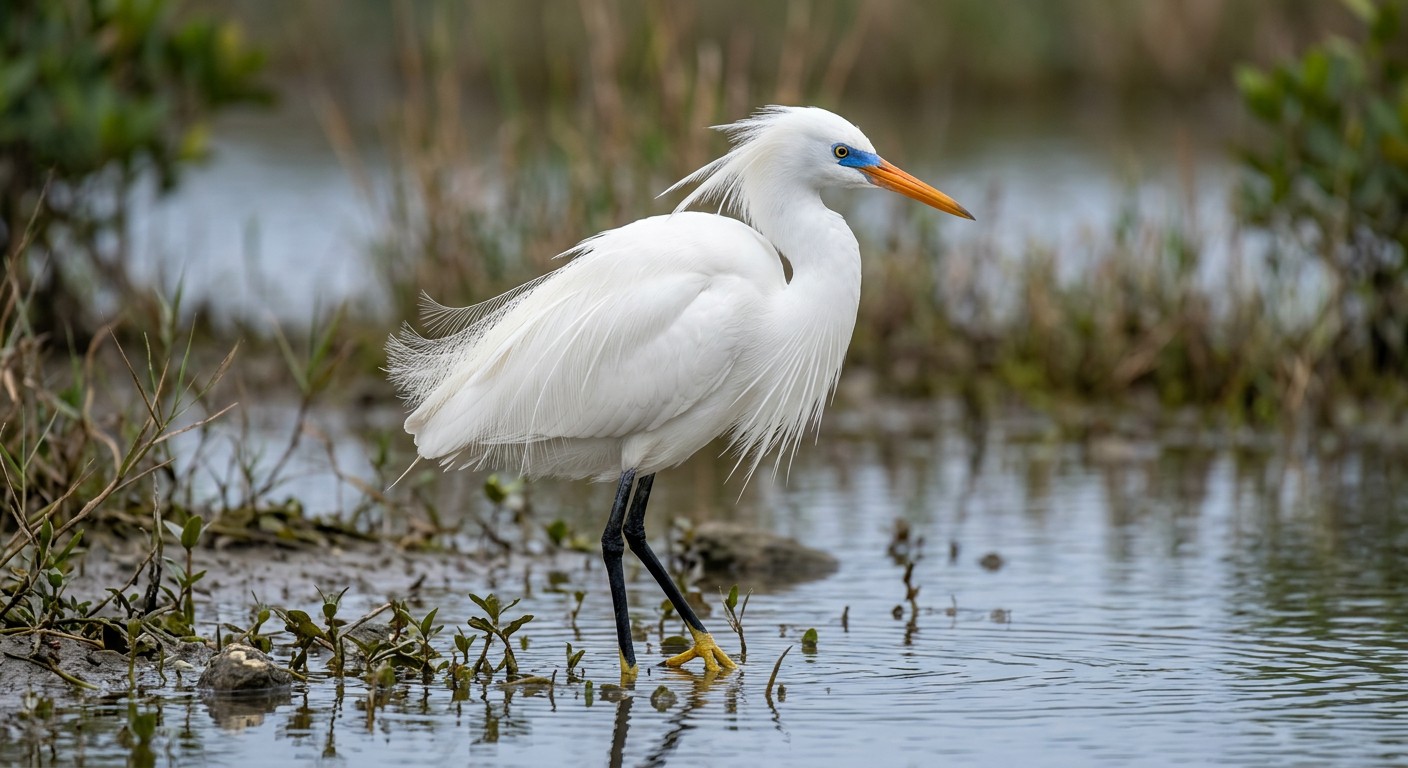
One of the rarest herons in Asia — a migratory egret that breeds along the coasts of China and Korea and winters in the Philippines and Southeast Asia. Distinguished by its yellow feet and delicate lacy breeding plumes, it forages in coastal shallows and tidal mudflats.
Vulnerable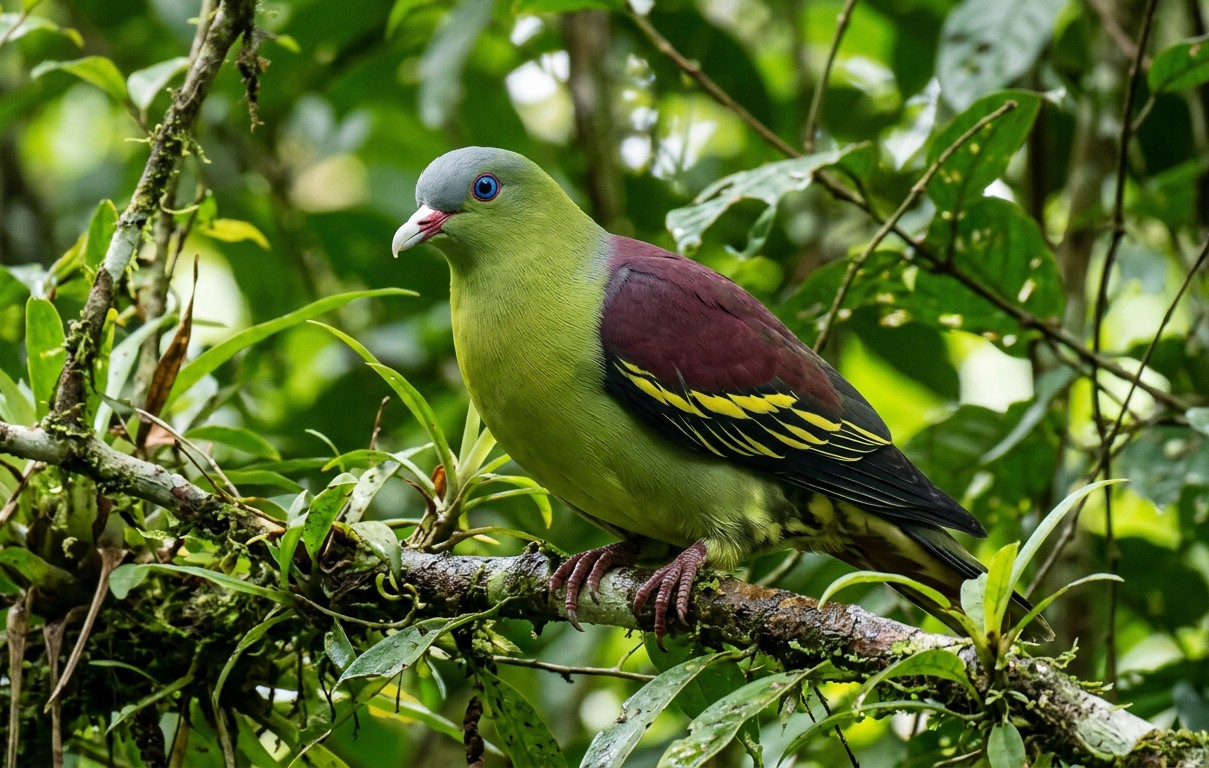
A canopy-dwelling fruit pigeon endemic to the Philippines — its vivid green plumage is perfect camouflage against forest foliage. Found across Luzon and surrounding islands, it is a key disperser of fig seeds in Philippine lowland and foothill forest.
Least Concern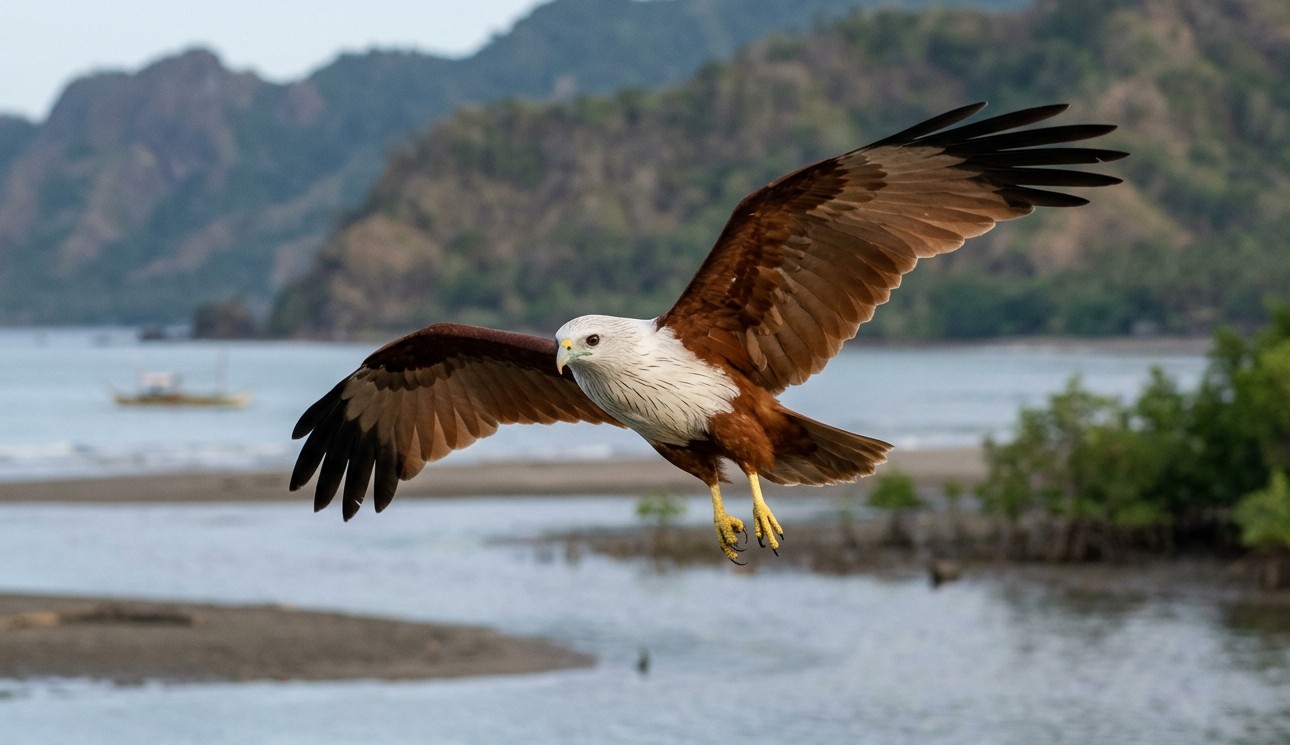
A striking coastal raptor with rich chestnut plumage and a brilliant white head — one of the most recognisable birds along Philippine coastlines. Found from the South China Sea to the Sulu Sea, it soars above bays, rivers, and mangroves, feeding on fish, frogs, and carrion.
Least Concern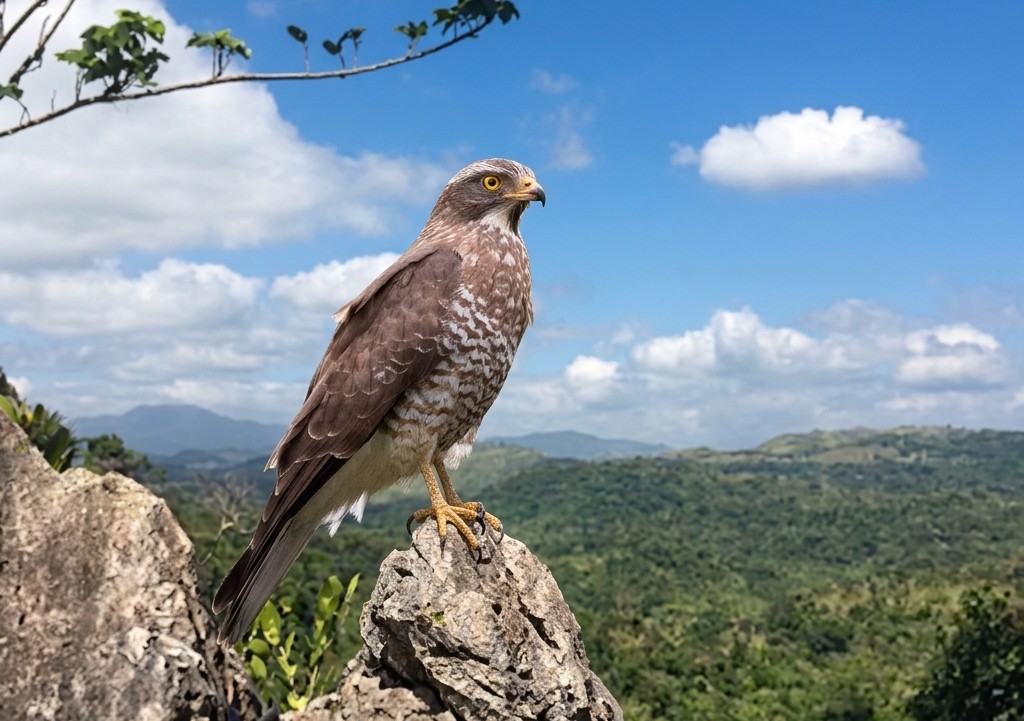
A migratory hawk that breeds in Japan and Korea and winters across the Philippines and Southeast Asia. One of the most abundant raptors in the Philippine archipelago during the northern winter, forming large migratory flocks that pass through Ilocos Norte and Batanes each October.
Least Concern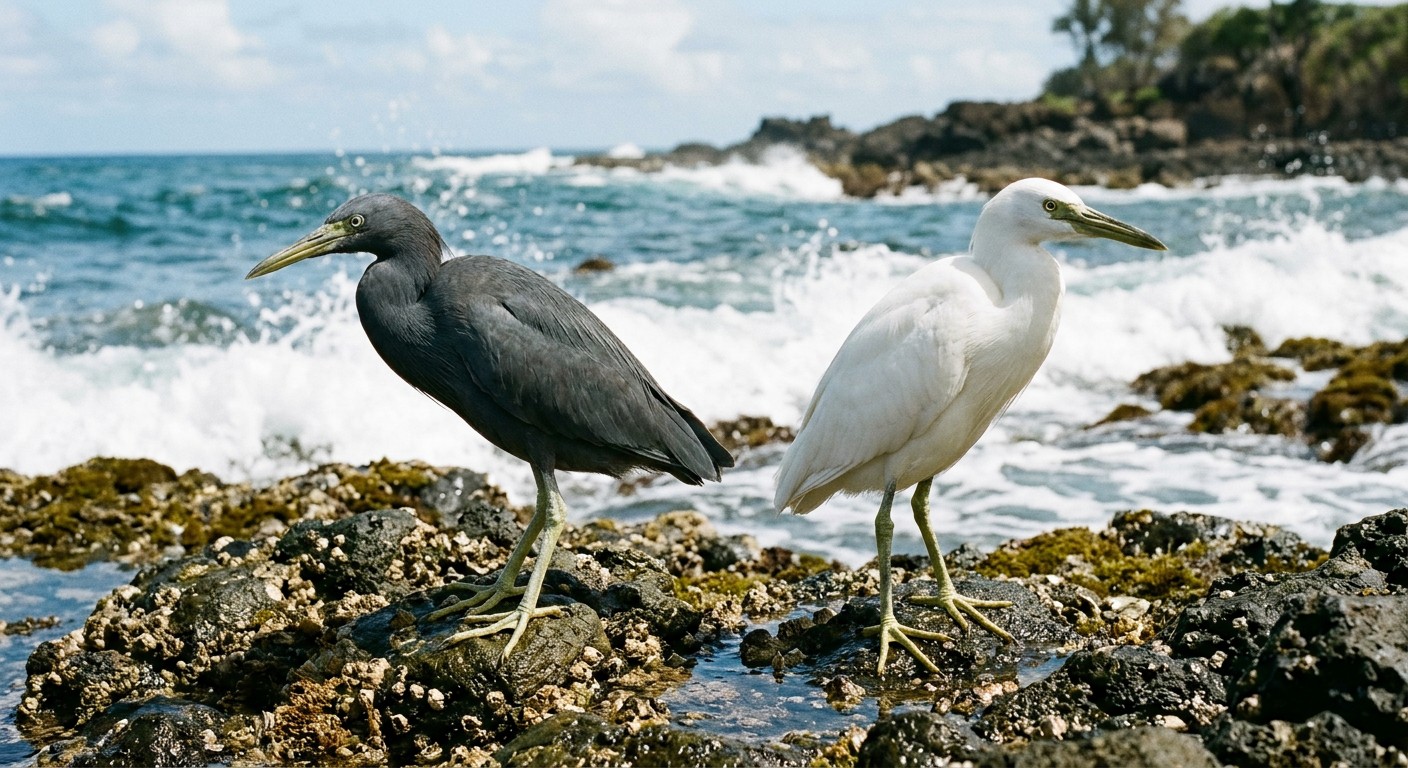
A coastal egret found on rocky shores and coral reefs from the Philippines across the Pacific. The only egret with two colour forms — pure white and dark slate-grey — both occurring on Philippine coastlines. It hunts fish and small crabs by stalking reef shallows with swift, precise strikes.
Least Concern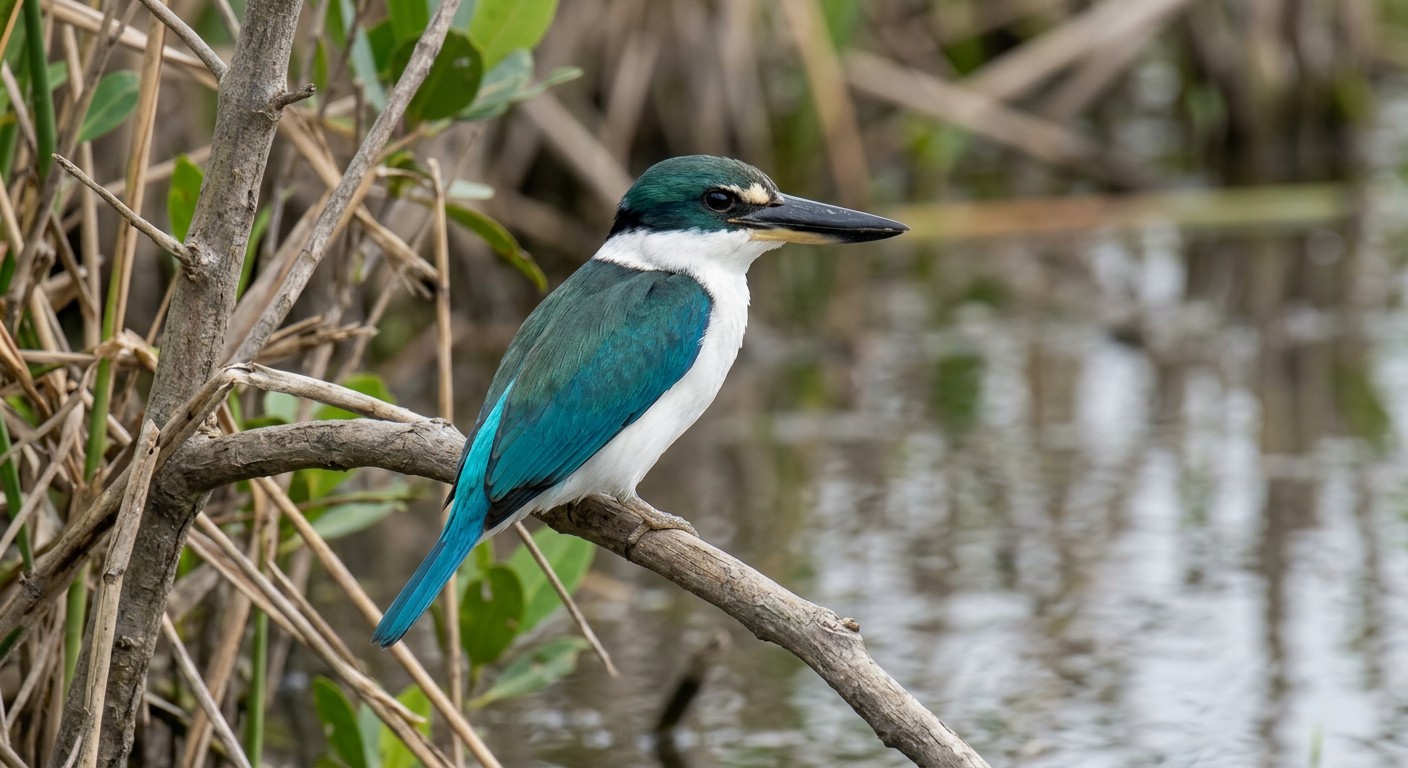
A widespread Indo-Pacific kingfisher common along Philippine coastlines and lake shores. Its turquoise back and white collar make it one of the most recognisable kingfishers in the archipelago, documented foraging the still waters of Paoay Lake in Ilocos Norte.
Least Concern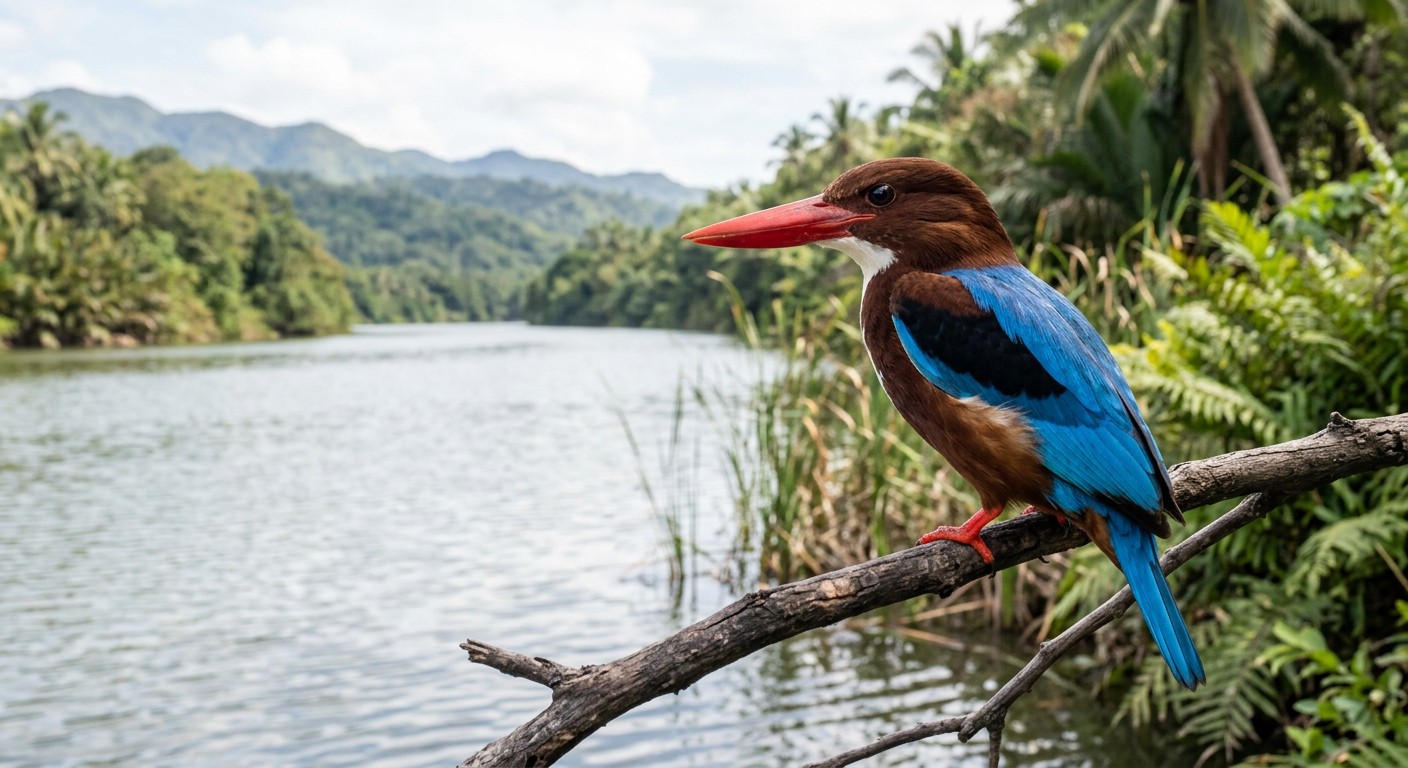
A Philippine endemic kingfisher found along rivers, streams, and forest edges across the archipelago. Its brilliant turquoise wings and chestnut-brown breast are unmistakable — but its loud rattling call is more often heard than the bird itself seen, concealed in riverside vegetation.
Least Concern.jpg)
One of the most distinctive birds in the Philippines — a glossy black-and-white starling with bare, vivid pink facial skin. Endemic to the Philippine archipelago, it is a noisy, sociable bird of forest canopy and edges, feeding on fruit, nectar, and insects.
Least Concern.jpg)
A boldly glossy black drongo endemic to the Philippines — its metallic blue-black plumage and forked tail make it one of the most elegant birds of the Philippine forest edge. A fierce defender of territory, it regularly attacks raptors and crows far larger than itself.
Least Concern.jpg)
A small hawk-owl endemic to Luzon and surrounding islands. Once lumped with similar Philippine owls under a single species name, DNA analysis revealed it as a distinct endemic. It hunts insects and small vertebrates at night in lowland and foothill forest.
Least Concern.jpg)
A tall, slender heron with striking chestnut, slate, and purple-grey plumage — found in Philippine wetlands, river margins, and mangroves. Shyer than the Grey Heron, it favours dense reed beds and overgrown waterways, where its streaked plumage provides near-perfect camouflage.
Least Concern.jpg)
A striking waterbird with enormous feet that spread its weight across floating vegetation — allowing it to walk on lily pads as if on solid ground. In breeding plumage, the extraordinarily long tail trails behind it across the water's surface. Found in Philippine wetlands and rice paddies.
Least Concern.jpg)
A distinctive Luzon-endemic cuckoo named for the scale-like feathering around its face and a bright patch of bare red skin encircling each eye. A pale hood, yellow bill, rufous-chestnut body, and blackish tail tipped in white complete its unmistakable look. Documented across the montane forests of Nueva Vizcaya and the Sierra Madre and Cordillera ranges.
Least ConcernConservation
The Philippines has lost over 70% of its original forest cover. Every species documented here depends on urgent collective action.
Click any card to view full details.