 Expedition PH Natural History
Philippine Lost Species
Extinct, possibly vanished, and miraculously rediscovered — twelve species that remind us what the Philippines has lost, and what it still fights to keep.
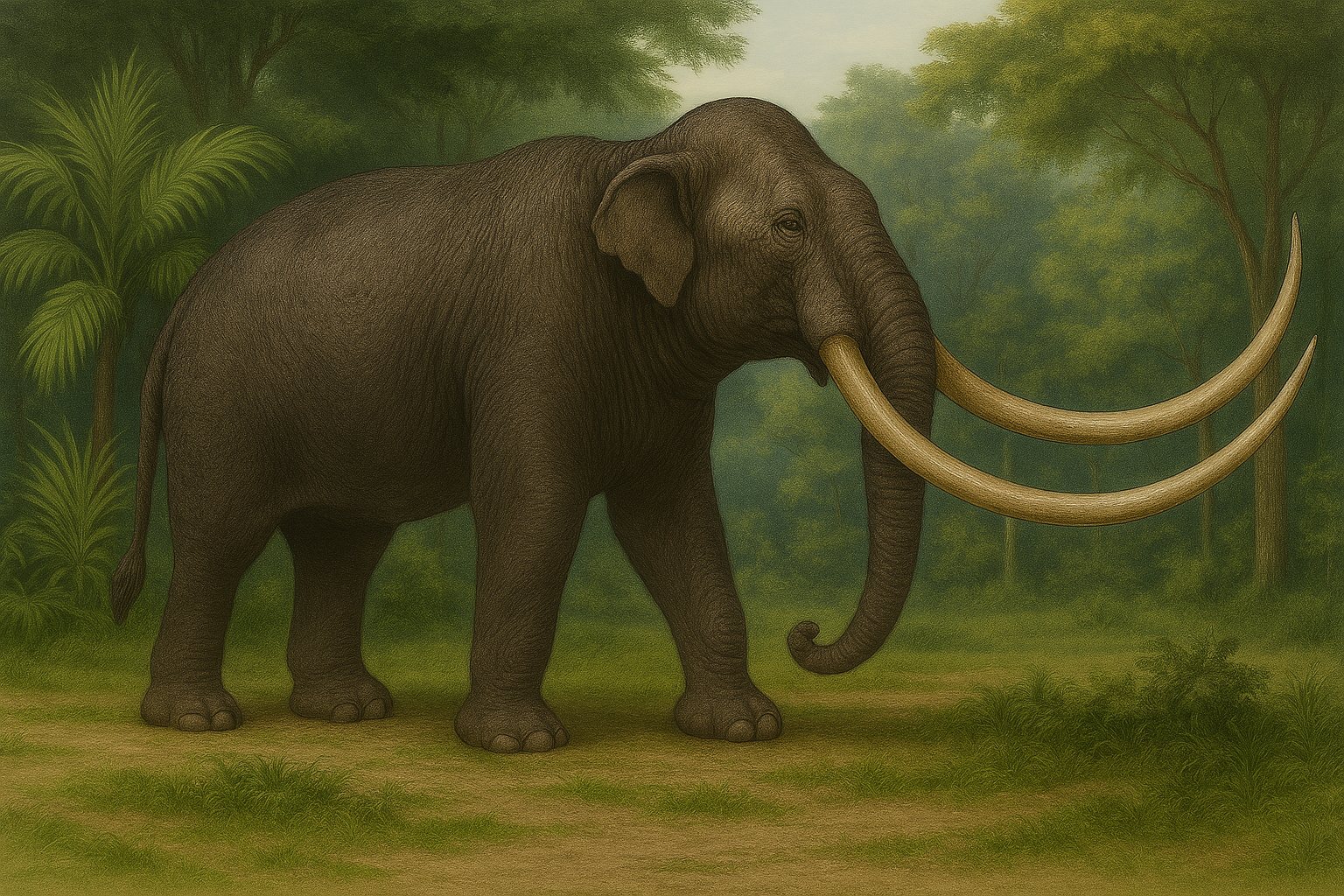
A dwarf elephant that roamed Luzon during the Pleistocene, Stegodon luzonensis is a window into the Philippines' lost megafauna. Fossilised remains found in the Cagayan Valley — alongside evidence of early hominin activity — reveal an ancient world where elephants, rhinoceroses, and giant tortoises shared the island with some of the earliest people in Southeast Asia. Gone for 10,000 years, its bones still tell the story of a vanished wilderness.
The Record
Twelve species across three fates — confirmed extinct, possibly gone, and miraculously rediscovered. Each one a chapter in the Philippines' contested history with its own wilderness.
A dwarf stegodon that roamed Luzon during the Pleistocene. Fossilised remains found in Cagayan Valley confirm its presence alongside early hominins on the island. Extinct ~10,000 years ago.
Extinct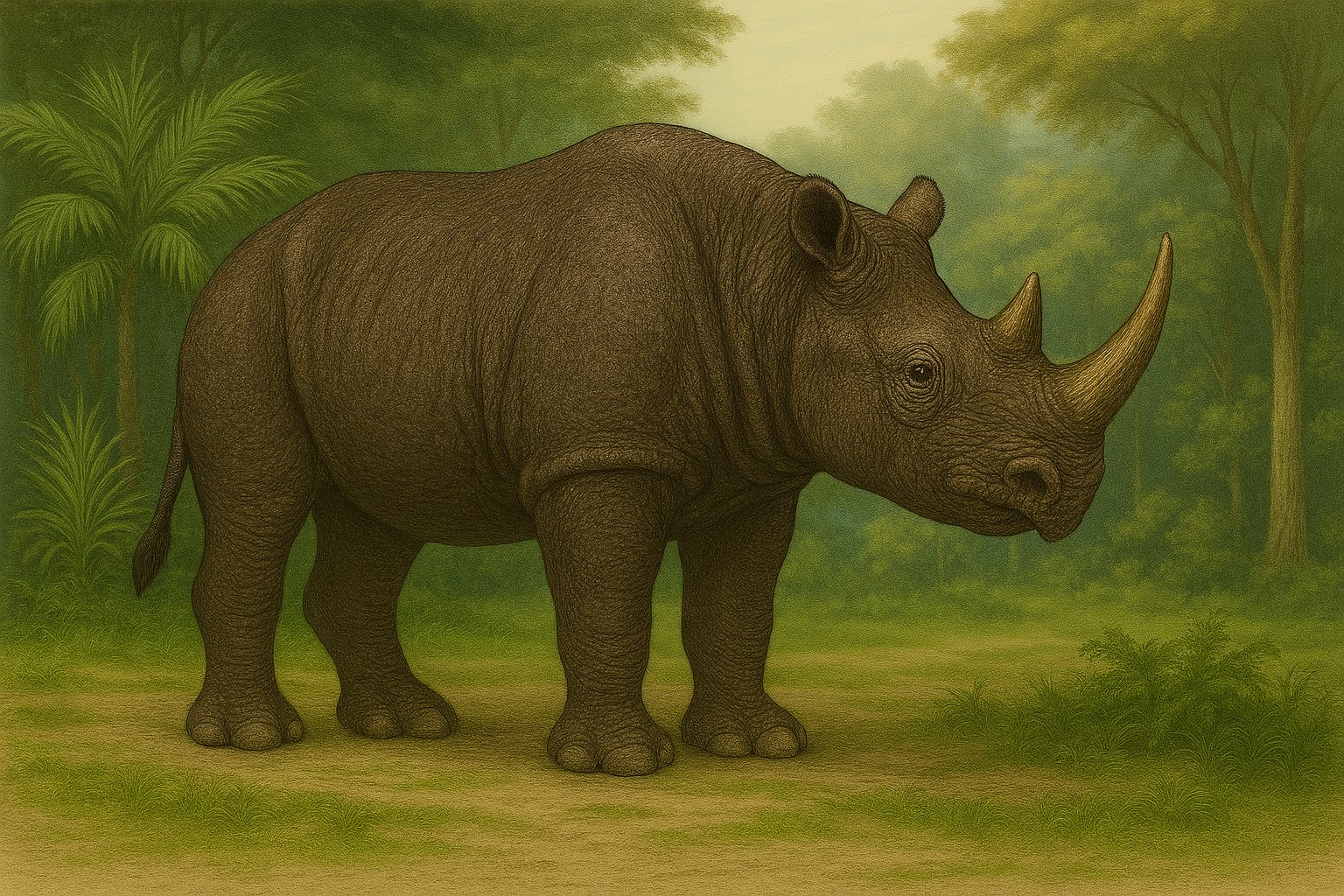
A rhinoceros species that inhabited Luzon until at least the Holocene. Cut-marked bones in Callao Cave suggest it was hunted by early hominins. One of the largest prehistoric mammals ever documented in the Philippines.
Extinct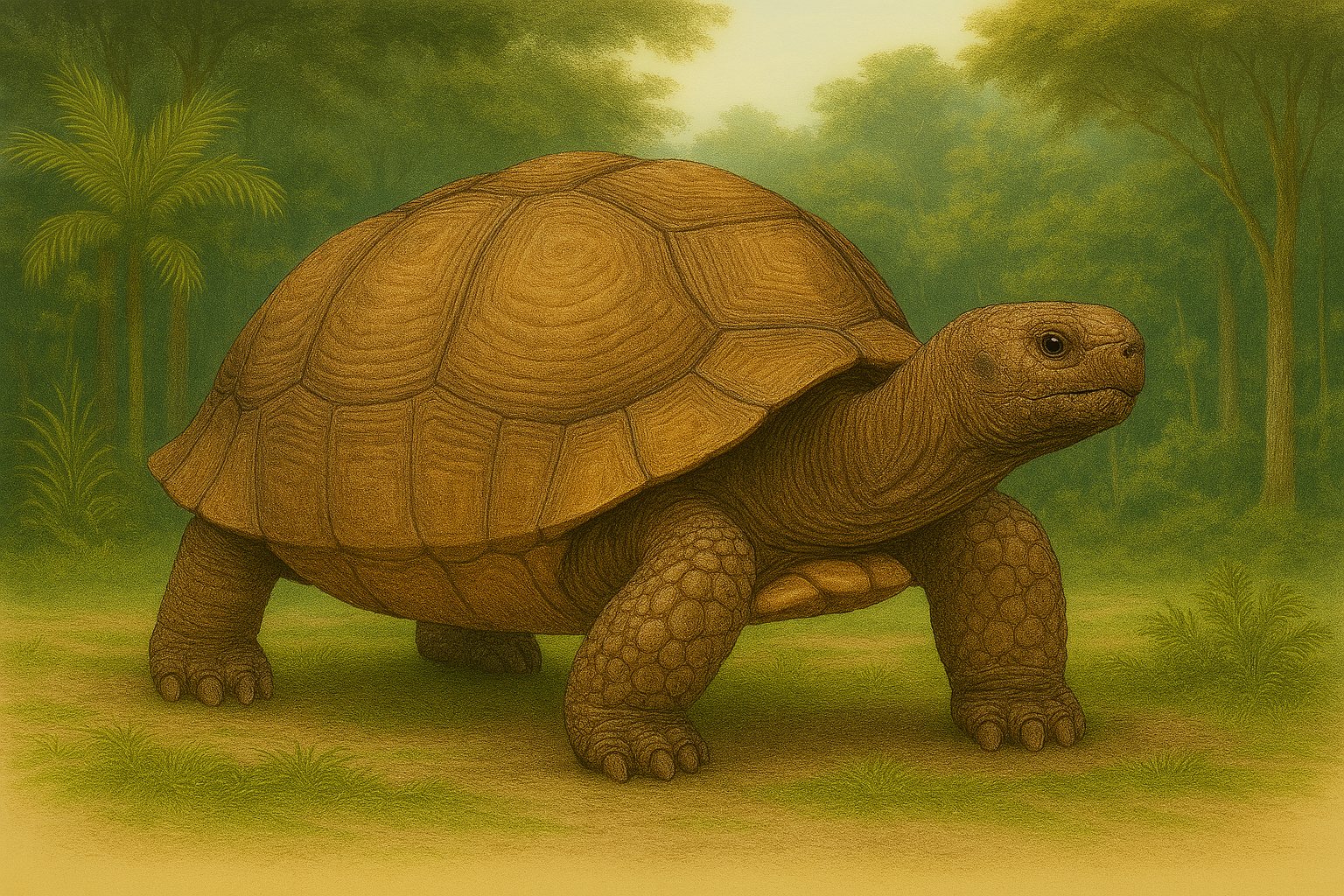
A large land tortoise that inhabited Luzon during the Pleistocene, known from fossil remains found in Cagayan Valley deposits. It likely disappeared around 10,000 years ago — a casualty of rising sea levels, habitat shifts, and early human hunting that ended the age of Philippine megafauna.
Extinct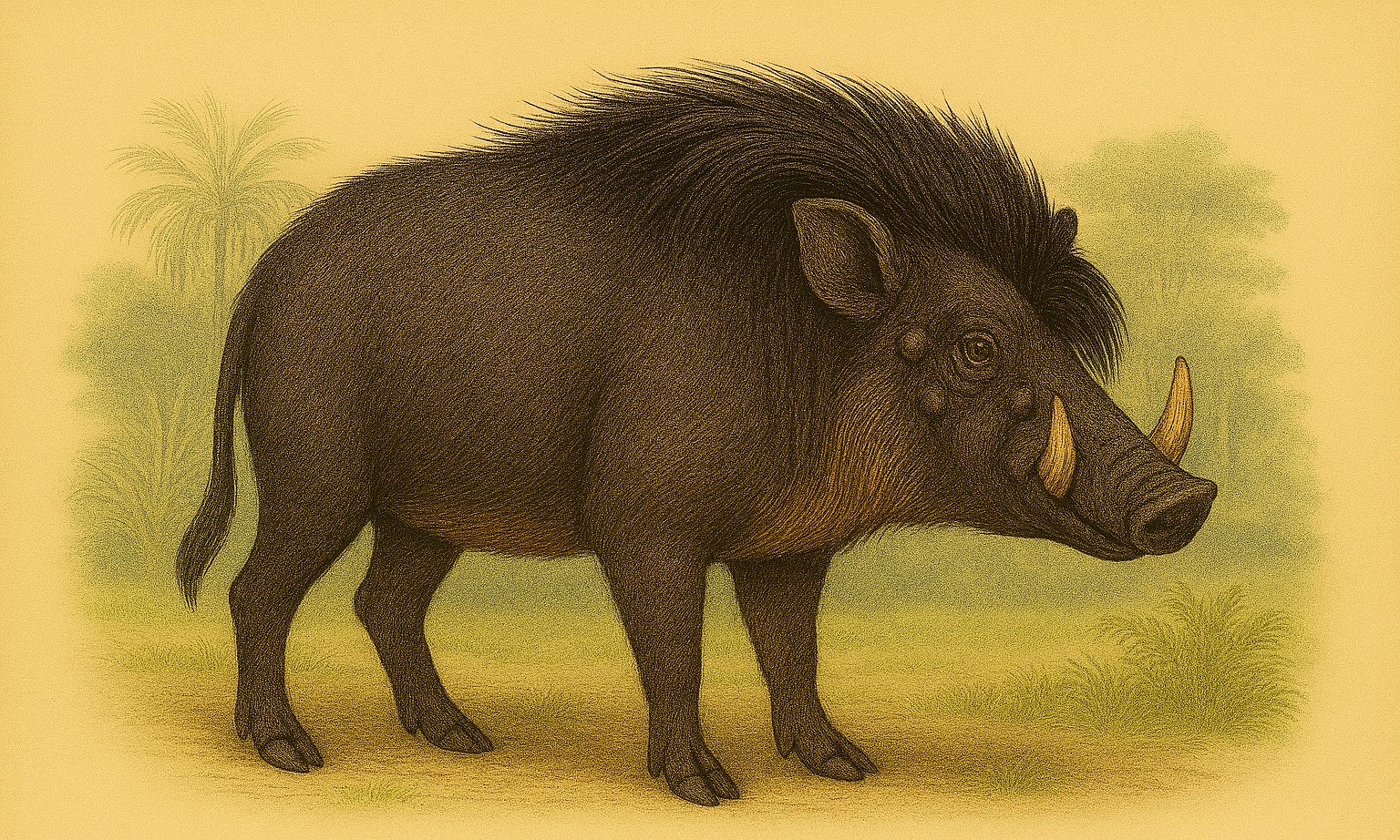
A subspecies of the Visayan Warty Pig endemic to Cebu. Driven to extinction by the near-total deforestation of Cebu during the colonial era. Last recorded in the 19th century. No known surviving specimens.
Extinct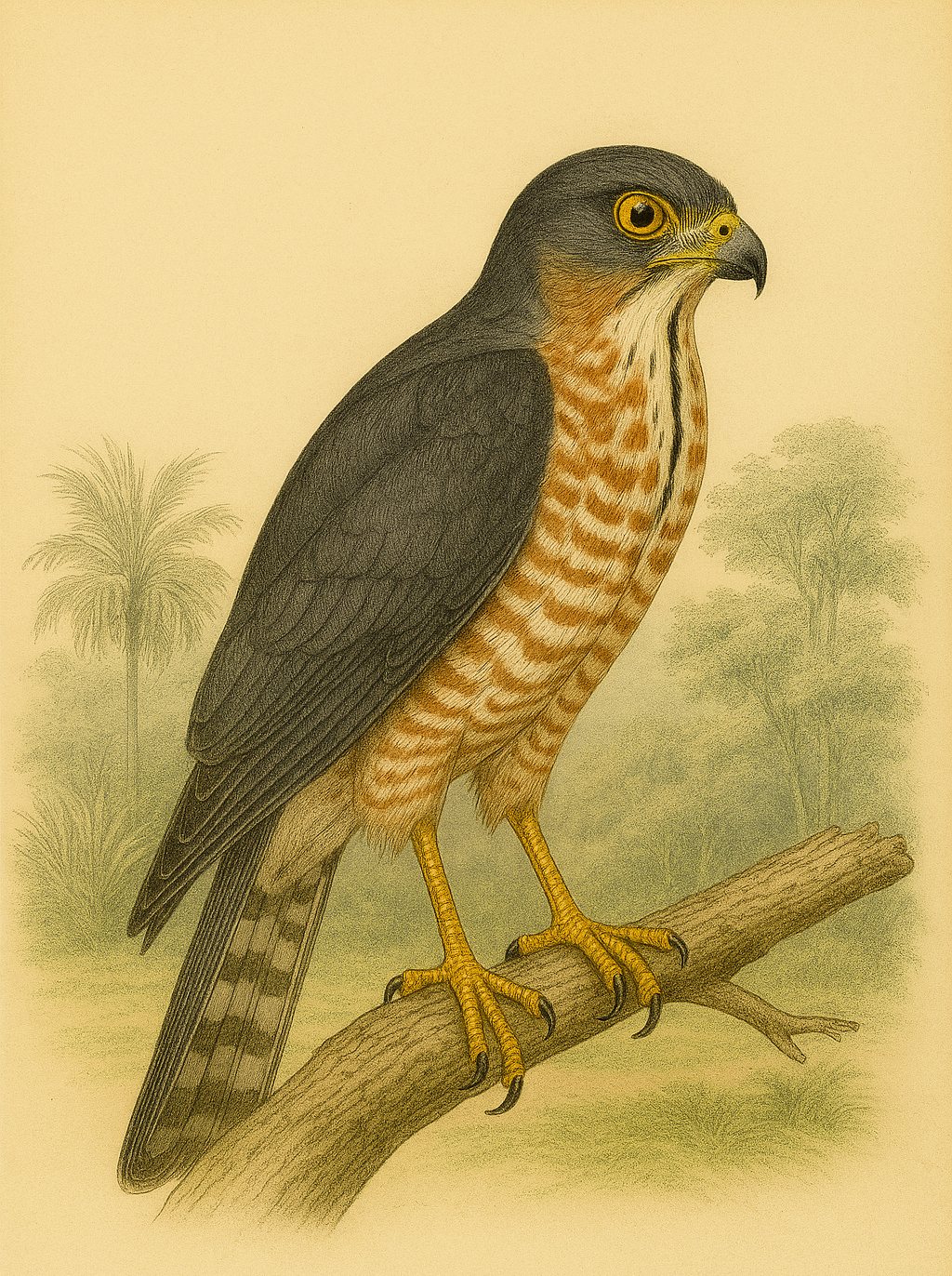
A hawk endemic to Cebu, known only from a single specimen collected in 1888. The loss of Cebu's forests erased this raptor before it could be studied. Considered extinct by the IUCN — no confirmed sighting in over 130 years.
ExtinctEighteen endemic cyprinid fish species that evolved in isolation in Lake Lanao, Mindanao. All are now believed extinct — victims of introduced species, over-fishing, and habitat degradation in what is considered one of the worst freshwater extinction events in the Pacific.
ExtinctA large fruit bat endemic to Negros and Cebu, last recorded in the 1970s. Dependent on lowland dipterocarp forest for roosting and foraging, it vanished as Negros lost over 95% of its forest cover by the late 20th century. Feared extinct.
Possibly Extinct
A small fruit bat found only in montane forests of Luzon, last confirmed in the 1980s. Dependent on old-growth forest caves for roosting, it has not been encountered in any recent survey. The IUCN lists it as Vulnerable but its current status may be far worse.
Possibly Extinct
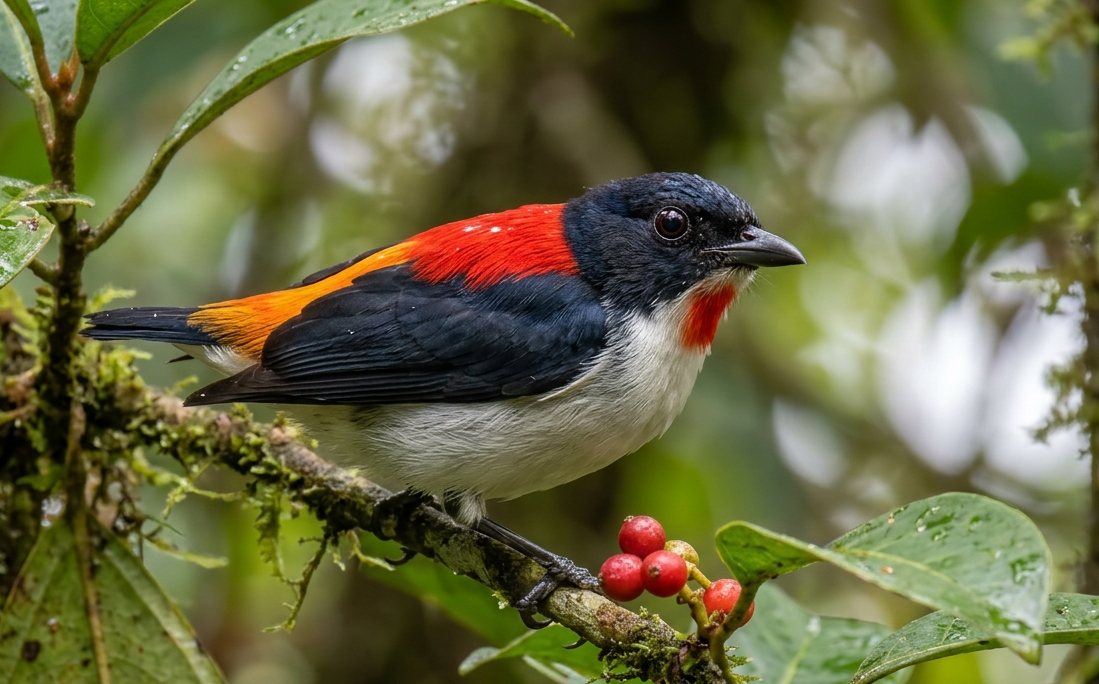
Declared extinct in 1906 after Cebu's forests were razed. Rediscovered in 1992 in a tiny remaining forest patch. One of the most dramatic wildlife comebacks in Southeast Asia — fewer than 200 individuals remain.
Rediscovered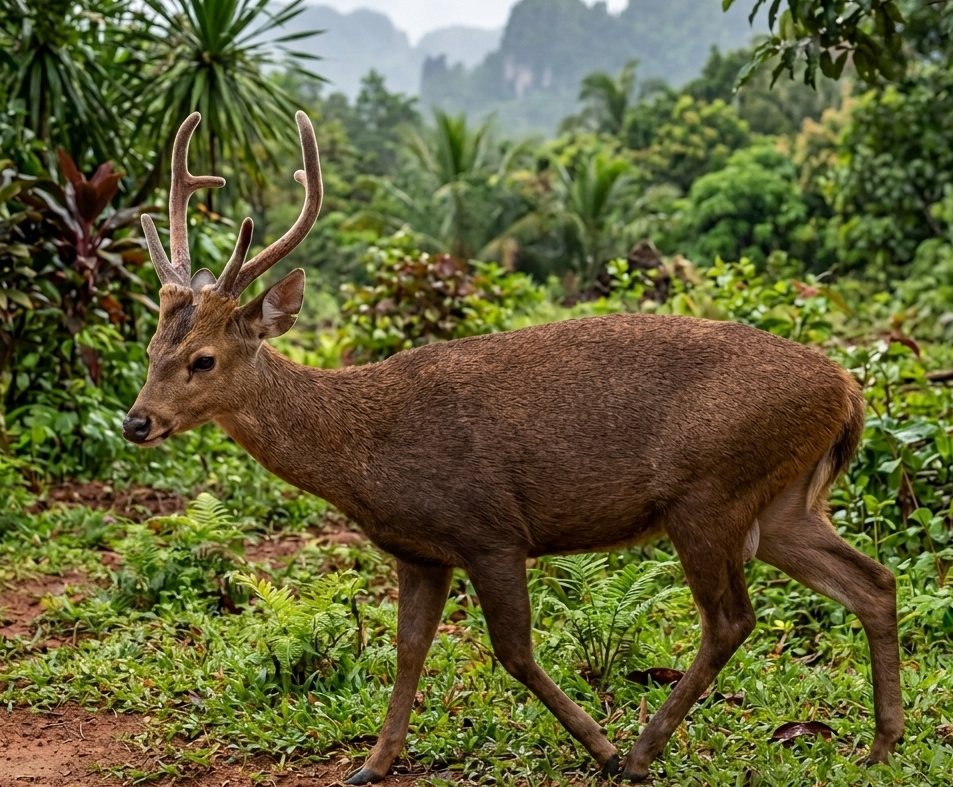
Once hunted almost to extinction across the Calamian Islands, this Palawan-endemic deer was thought to be functionally gone by the 1970s. Conservation surveys and local protection helped populations recover. Now listed as Endangered — still surviving, but fragile.
Rediscovered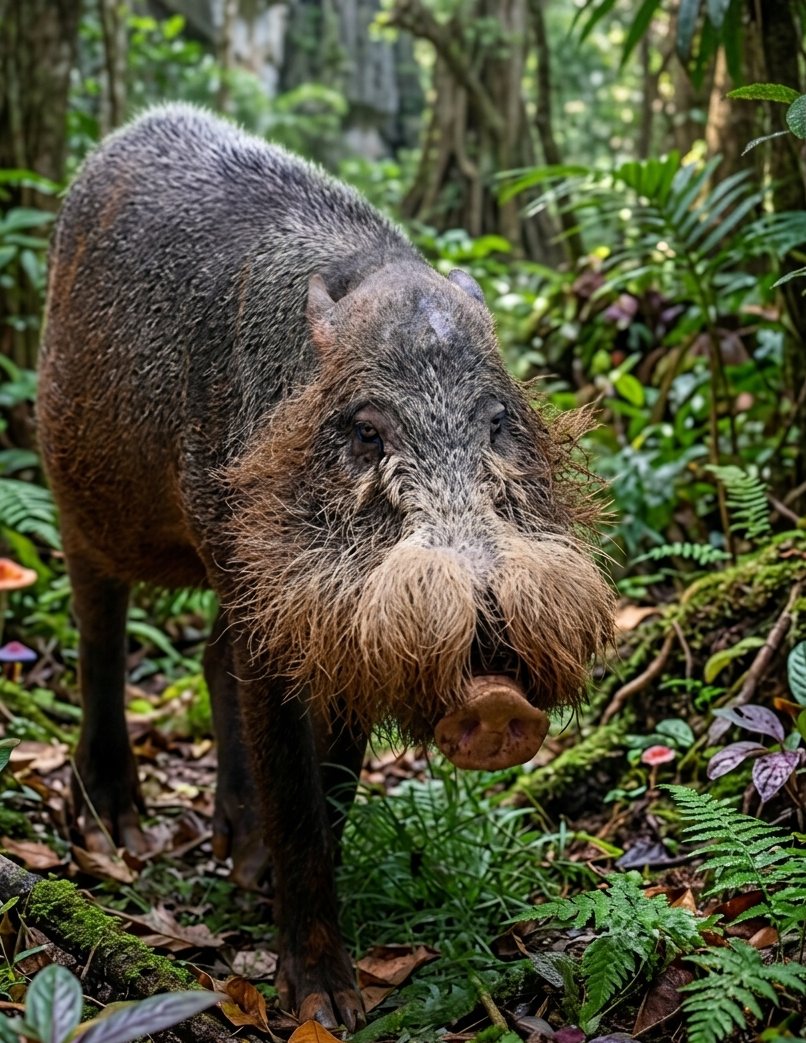
The largest native land mammal on Palawan, once considered locally extinct in several parts of its range. Camera-trap surveys have since confirmed populations in previously unrecorded forest zones. Its survival depends on sustained protection of Palawan's remaining interior forests.
RediscoveredConservation
The Cebu Flowerpecker was gone for 86 years before it came back. Every patch of forest protected is a chance for another miracle. The Philippines has already lost so much — but what remains is worth fighting for.
Click any card to view full details.